English
 Español
 عربى


For automotive underbody shields, TPU survives road salt and gravel. For performance sneakers, TPU soling bends thousands of times without cracking. For medical catheters, thermoplastic polyurethane withstands sterilization without turning brittle. Yet TPU is not a single material; it is a family with hardness values spanning from soft rubber to rigid plastic. Choosing the wrong grade means early failure, so knowing where thermoplastic polyurethane applications truly deliver value is critical for specifiers.
What Is Thermoplastic Polyurethane?
TPU is a block copolymer consisting of alternating hard and soft segments. The hard segments, usually made from diisocyanates and chain extenders, provide structural strength. The soft segments, which are polyether or polyester polyols, give the material its flexibility and elasticity.
Unlike thermoset polyurethane, which cannot be melted once cured, TPU is thermoplastic. That means you can melt it, mold it, grind it, and reuse it. This reprocessability reduces material waste and allows TPU to work in injection molding, extrusion, and 3D printing without special equipment.
Key Properties That Drive TPU Applications
TPU stands out because of a specific set of mechanical and chemical characteristics:
Abrasion Resistance
TPU withstands continuous rubbing and scraping far better than many softer polymers.
Low-Temperature Flexibility
Many grades remain flexible at temperatures down to -30 C.
Chemical and Oil Resistance
TPU resists degradation from mineral oils, greases, and many common solvents.
Weather and UV Stability
UV-stabilized grades retain performance in demanding outdoor environments.
Elastic Recovery
TPU stretches easily and returns to its original shape after release.
Optical Clarity
Certain grades are nearly transparent, which suits protective films and glazing.
Automotive Applications
The automotive industry relies on TPU in more ways than most people realize. Under the hood, TPU protects components; inside the cabin, it absorbs vibration and provides comfortable contact surfaces.
Interior Components
Instrument panels, airbag doors, door trim, and seat cushions often use TPU for its soft-touch feel and impact absorption. TPU also gets used in upholstery coatings and sound dampening layers.
Underbody and Exterior Parts
Because of its resistance to road salt, gravel, and temperature fluctuations, TPU is widely applied in wheel arches, mud flaps, and protective underbody shields. It can replace heavier rubber parts, helping automakers reduce vehicle weight and improve fuel efficiency.
Industrial and Mechanical Applications
Factories face extreme conditions. Conveyor systems run continuously, hydraulic seals see constant pressure, and casters roll over debris. TPU stands up to these challenges better than many alternative materials.
- Conveyor and drive belts: TPU belting carries heavy loads and keeps moving without developing cracks.
- Caster wheels: TPU wheels resist flat-spotting, absorb shock, and handle both rolling and impact loads.
- Hydraulic and pneumatic seals: The low compression set of TPU keeps seals effective under fluctuating pressures.
- Cable sheathing and hose liners: TPU protects wires and piping from abrasion, chemicals, and UV exposure.
- Power tool housings: TPU overmolds provide a firm grip and shield the tool body from drops.
Footwear and Consumer Goods
Footwear is one of the most visible TPU applications. Midsole cushions, heel stabilizers, and outsoles all use TPU to deliver comfort and durability. The material gives designers the freedom to create thin, stylish soles that still perform under heavy walking or running.
Outside footwear, TPU shows up in everyday products:
- Smartphone cases and protective covers
- Watch straps and wearable device bands
- Luggage wheels and handles
- Drapery hooks, buckles, and zipper pulls
- Sports gear like mouth guards and shin guards
Medical and Healthcare Applications
Medical devices demand materials that are safe, durable, and easy to clean. TPU meets these requirements. Its biocompatibility allows direct contact with human tissue, and its mechanical properties ensure medical equipment continues to work after repeated use.
Common TPU uses in healthcare include catheters, wound dressings, surgical drapes, and drug delivery systems. TPU also appears in specialized films for body-worn devices, where flexibility without kinking is essential.
TPU in Surface Decoration and Protective Films
The value of TPU is not limited to molded parts. In the surface finishing sector, film-based solutions use similar thermoplastic chemistry to apply patterns, textures, and protective layers to furniture, appliances, and interior walls. These films allow manufacturers to achieve premium aesthetics at a fraction of the cost of natural materials.
For furniture and kitchen cabinet makers, decorative films can turn a simple MDF or particle board substrate into a high-end wood or stone look. The key is selecting a film with the right adhesive system and surface hardness. When the film laminates properly, the finished product resists scratches, moisture, and cleaning chemicals.
3D transfer film for furniture and cabinet color change provides one way to refresh tired surfaces with deep, wood-like textures.
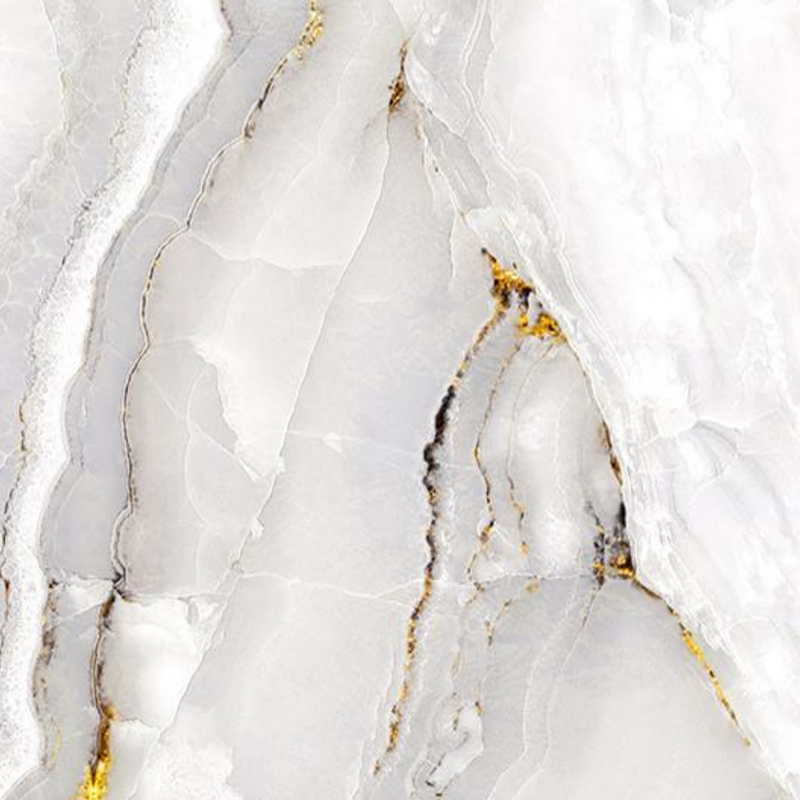 3D Transfer Film for Furniture and Cabinet Color ChangeThis film transforms existing cabinet surfaces with realistic wood, stone, or geometric patterns, reducing renovation costs and time while offering design flexibility for kitchens and bathrooms.View Product →
In the appliance industry, surface films protect electronics and white goods from daily wear. Washer controls, refrigerator panels, and small kitchen appliances all benefit from an abrasion-resistant top layer. The film also makes it easy to produce consistent branding colors across large production runs.
3D transfer film for appliance lamination and decoration offers a practical route to these durable finishes.
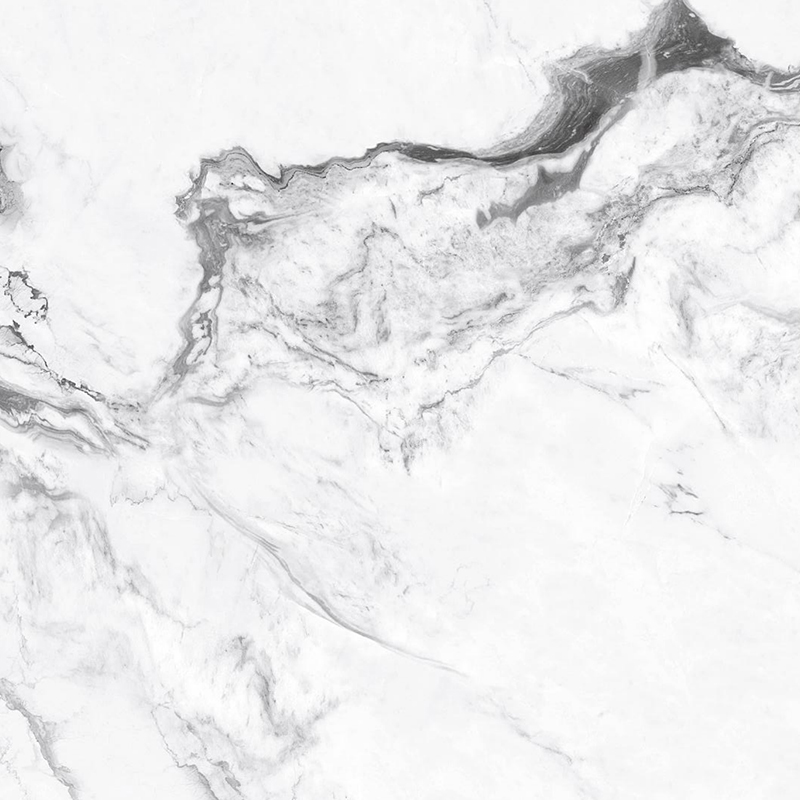 3D Transfer Film for Appliance Lamination and DecorationDesigned for household appliances, this film adheres to complex curves, providing durable, fingerprint-resistant surfaces that protect against stains and cleaners while updating the look.View Product →
Wall panel manufacturers use surface films to imitate natural stone and wood while avoiding the weight and installation cost of the real material. UV-coated sheets with a printed pattern are now common in hotel lobbies and residential feature walls. The films are engineered to behave like a protective membrane, which is exactly where TPU and EVA chemistries have established their performance credibility. For a behind-the-scenes look at how this works, read how TPU and EVA films are changing performance standards.
Golden oak textured PET heat transfer film for TV cabinet demonstrates how a wood-grain finish can be applied directly to a living room cabinet surface without replacing the base board.
 Golden Oak Textured PET Heat Transfer Film for TV CabinetsA wear-resistant PET film with golden oak wood grain, offering a warm, elegant finish for living room TV cabinets. It is moisture-proof, stain-resistant, and easy to clean.View Product →
Choosing the Right TPU for Your Project
Selecting the right TPU grade is a practical decision that affects product performance and manufacturing cost. Here are the main specifications to check:
Hardness
Shore hardness is the first thing to verify. A 60A TPU is soft, rubber-like, and best for gaskets or flexible strain reliefs. A 90A TPU is firm and nearly rigid, suitable for structural parts or wear surfaces.
Tensile Strength and Elongation
Review the material data sheet for tensile strength and elongation at break. These values tell you how much pull the part can handle before tearing, which matters for belts, hoses, and protective films.
Melt Flow Index
A higher MFI processes easier in injection molding but may compromise strength. Lower MFI materials are tougher but require more temperature and pressure to fill thin sections.
Environmental Resistance
If your part faces high humidity, UV exposure, or oils, choose a polyether-based TPU for hydrolysis resistance or a polyester-based TPU for oil resistance. Confirm whether the material needs flame retardant or antimicrobial additives.
One common mistake is choosing a TPU solely by Shore hardness. Two materials with the same hardness can have very different tensile strength, chemical resistance, and processing behavior. Always request a full technical data sheet before committing to a grade.
Frequently Asked Questions
Q1: What is the difference between TPU and TPE?
TPU is a subset of thermoplastic elastomers (TPE). It offers higher abrasion resistance, better load-bearing capacity, and greater chemical resistance than most TPEs. The trade-off is usually higher cost and a harder durometer range.
Q2: Can TPU be recycled?
Yes. Because TPU is thermoplastic, it can be ground and reprocessed into new products. Many manufacturers now incorporate recycled TPU in non-food contact parts like protective cases and industrial floor mats.
Q3: Is TPU weather resistant?
Standard TPU is not inherently UV stable. To make it suitable for outdoor use, you need a UV-stabilized grade. With the right additives, TPU can last years in direct sunlight without losing its mechanical properties.
Q4: Can TPU be sterilized for medical use?
Many TPU grades can be sterilized using methods like E-beam, gamma radiation, and ethylene oxide. This makes TPU a reliable option for medical devices and single-use healthcare products.
Conclusion
Thermoplastic polyurethane applications span nearly every industry because the material adapts to specific performance needs. In the automotive sector, it protects and cushions. In healthcare, it provides safety and flexibility. In manufacturing, it withstands the harshest conditions. And in surface finishing, TPU and related films deliver beautiful, durable overlays for furniture, appliances, and interiors.
When selecting a material, always evaluate hardness, tensile properties, and environmental resistance. For surface decoration projects, the film's adhesive system and UV stability are just as important as the pattern itself. A supplier with a deep product catalog can help you match a film structure to your substrate and application. Haining Keler Decoration Materials has supplied decorative films and building materials for international customers since 2016.