English
 Español
 عربى
عربى

How Decorative Film Technology Is Redefining Interior Wall Surfaces
The surface treatment of interior walls has undergone a fundamental shift over the past decade. Where ceramic tiles and painted plaster once dominated, advanced film-based materials — including thermal transfer film, cold transfer film, and UV transfer film — now offer a far broader palette of aesthetic outcomes with considerably less installation complexity. These films are applied to substrate panels such as PVC, MDF, or aluminum composite boards, allowing manufacturers to replicate textures ranging from natural stone and aged timber to geometric and abstract motifs with sub-millimeter fidelity.
The distinction between transfer methods matters for specifiers selecting interior wall decoration materials. Thermal transfer uses heat and pressure to migrate ink from a carrier film to the substrate surface, producing highly durable, scratch-resistant finishes suitable for high-traffic commercial environments. UV transfer film, by contrast, cures the decorative layer under ultraviolet light, enabling sharper micro-detail and a gloss depth that closely mimics polished stone — a capability that has driven strong adoption in hospitality and retail interiors. Cold transfer processes, operating without heat, expand compatibility with heat-sensitive substrates and allow for thinner panel profiles without dimensional distortion.
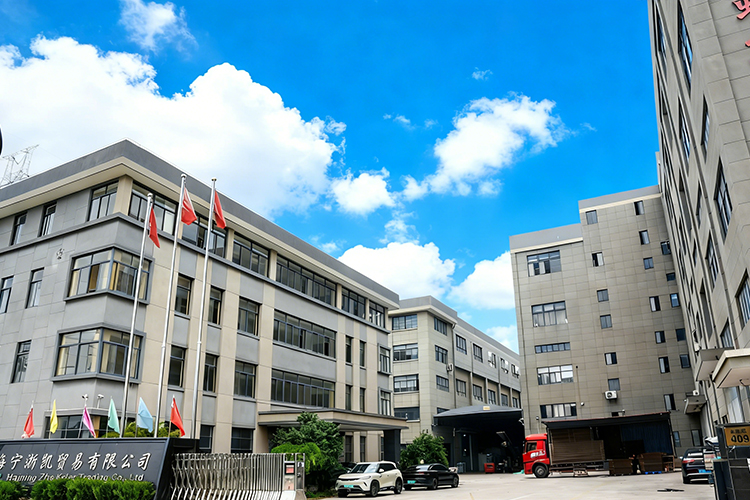
At Haining Keler Decoration Materials Co., Ltd., the production of these three film categories under unified quality control allows decorative panel makers to source compatible materials within a single supply relationship, reducing the coordination overhead that often complicates large fitout projects.
Performance Benchmarks That Distinguish Quality in Interior Finishing Panels
Procurement decisions for interior finishing materials are increasingly driven by quantified performance data rather than visual samples alone. The key attributes that differentiate panel grades in international markets include abrasion resistance (measured in Taber cycles), adhesion bond strength between the decorative film and substrate, formaldehyde emission class, and fire reaction rating. Understanding how these benchmarks map to end-use requirements prevents costly material substitutions mid-project.
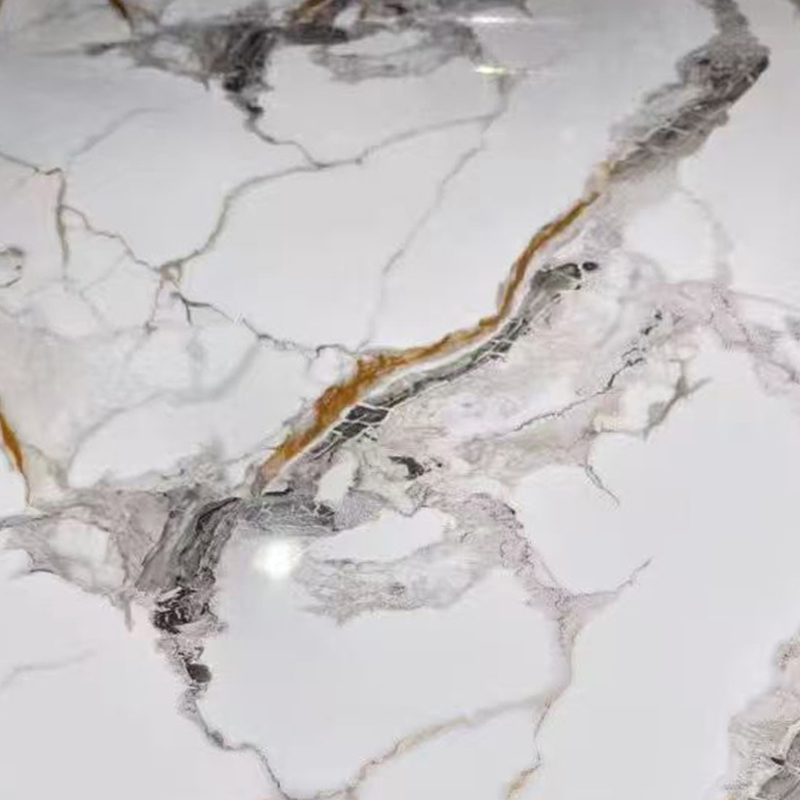
UV marble sheets, one of the highest-demand product types in this category, are typically evaluated against the following performance thresholds:
| Performance Attribute | Minimum Acceptable Standard | Premium Grade Benchmark |
|---|---|---|
| Abrasion Resistance | ≥300 Taber cycles | ≥500 Taber cycles |
| Formaldehyde Emission | E1 class (≤0.124 mg/m³) | Zero formaldehyde / ENF |
| Water Resistance | 24hr soak, no delamination | 72hr soak, no blistering |
| Fire Reaction | Class B (limited combustibility) | Class A2 (non-combustible) |
| Adhesion Bond Strength | ≥2.0 MPa cross-cut test | ≥3.5 MPa cross-cut test |
Specifiers working on wet-area installations — bathrooms, commercial kitchens, spa facilities — should prioritize water resistance and zero-formaldehyde certification above other parameters, as moisture cycling and indoor air quality standards are typically most stringent in these contexts.
Matching Decorative Panel Profiles to Contemporary Interior Design Directions
Interior design professionals increasingly source building & decorative materials with a clear style brief in hand, requiring suppliers to demonstrate multi-directional aesthetic coverage rather than a narrow product range. The current market shows strong concurrent demand across several distinct visual languages, each placing different technical requirements on decorative panels.
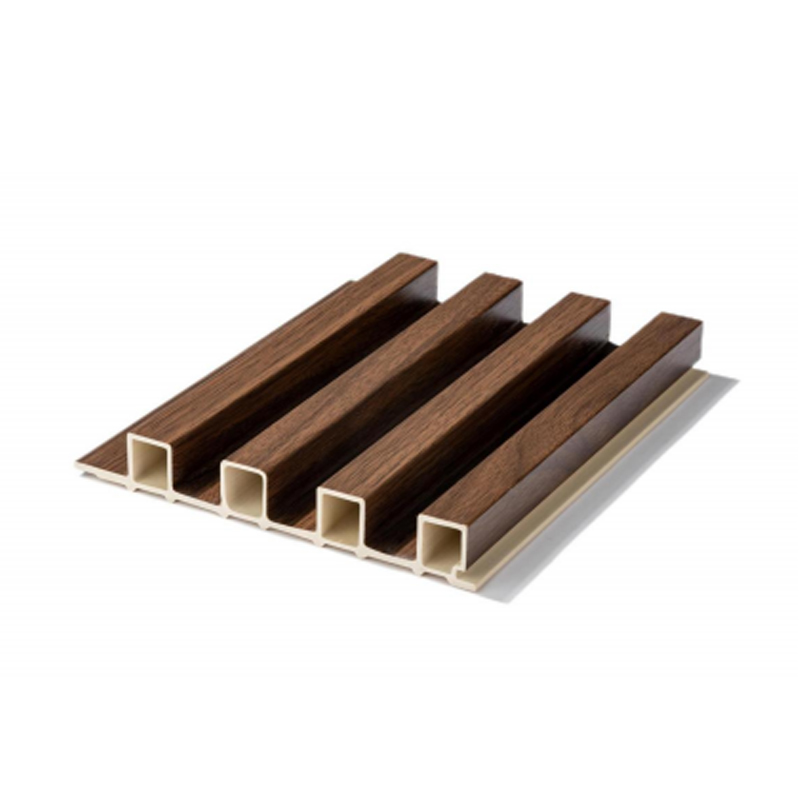
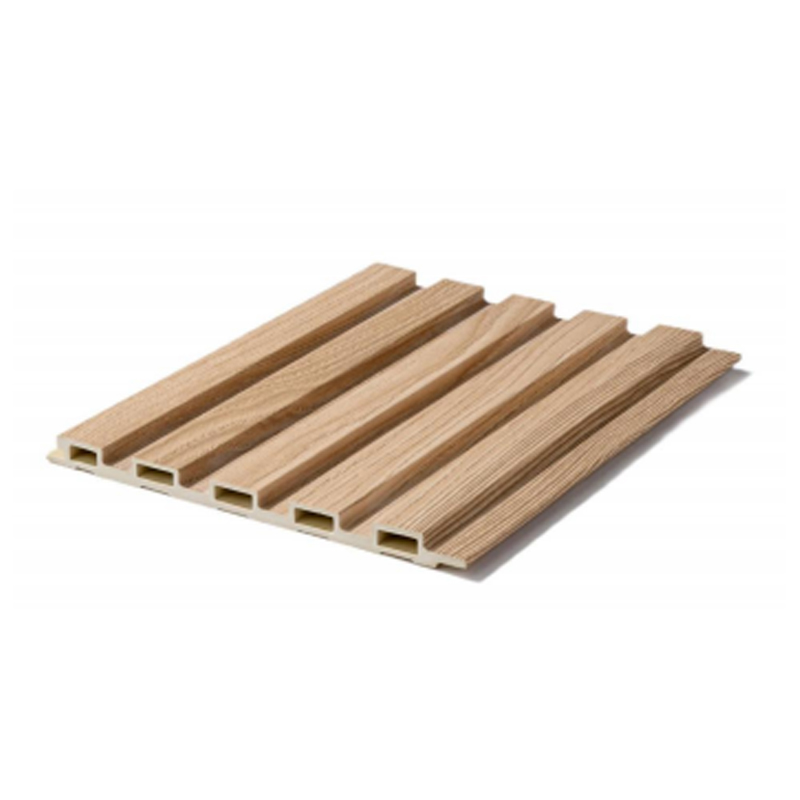
Fluted wall panels have consolidated their position as a primary accent element in minimalist and contemporary Japandi interiors. Their vertical ribbed geometry creates controlled shadow lines that add tactile depth to otherwise restrained surfaces. From a technical standpoint, the consistency of rib pitch and the uniformity of the film-to-surface transfer across curved geometries are the most demanding quality variables — irregular rib spacing or pattern misalignment is immediately visible under raking light.
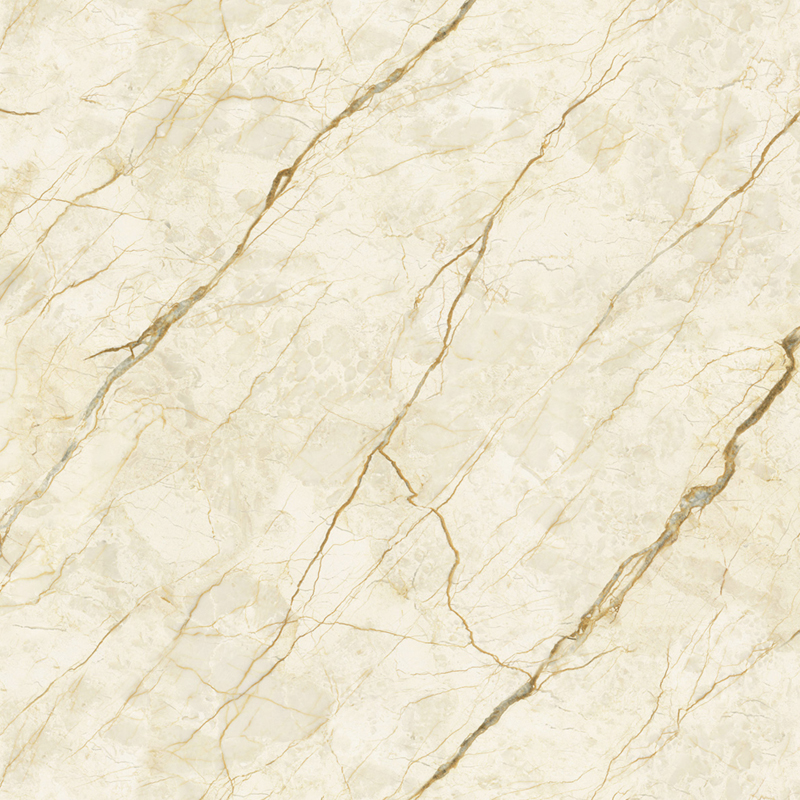
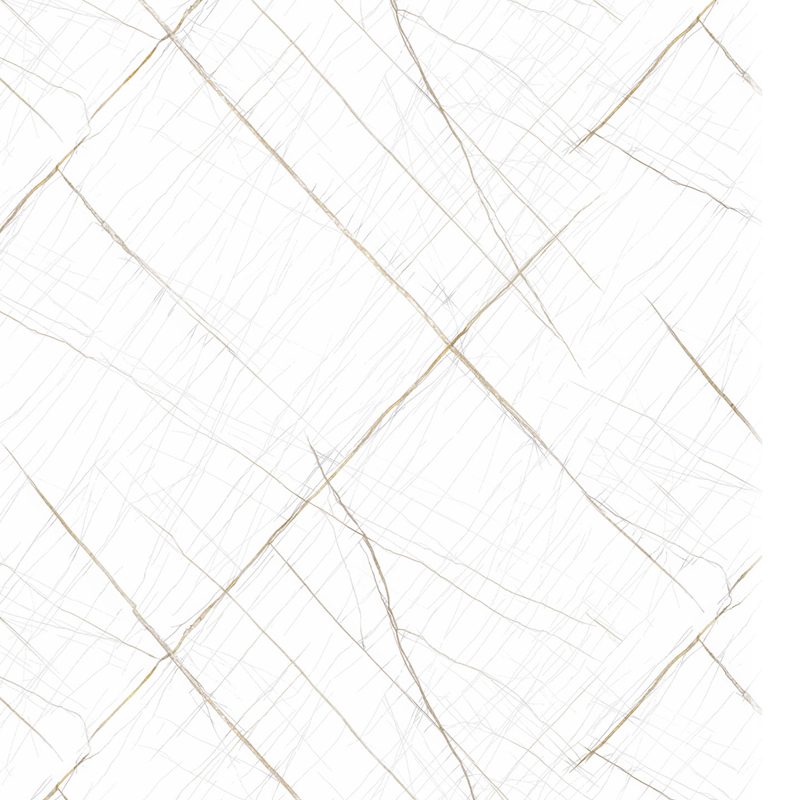
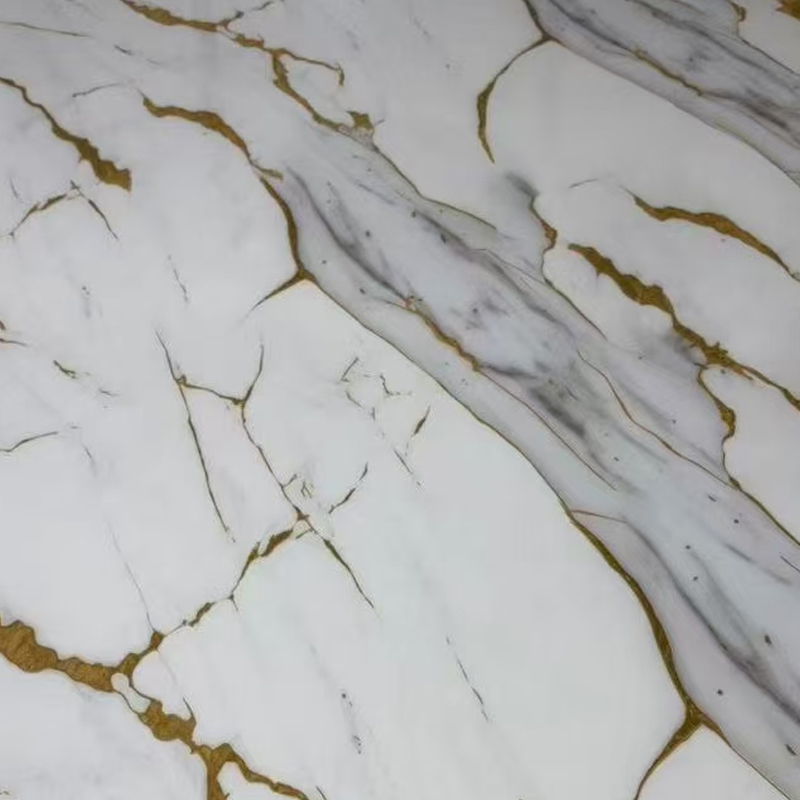
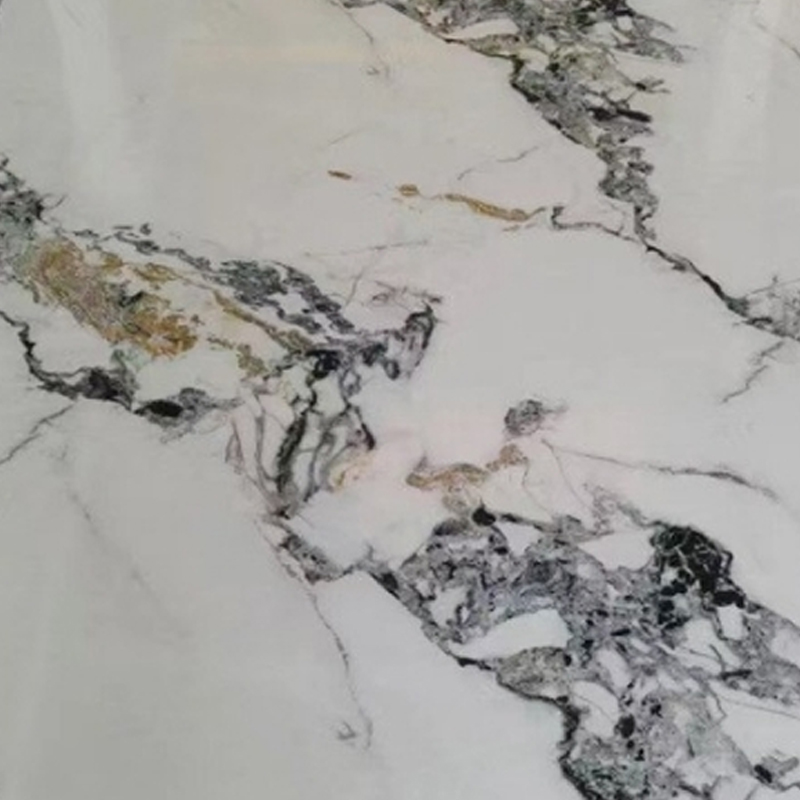
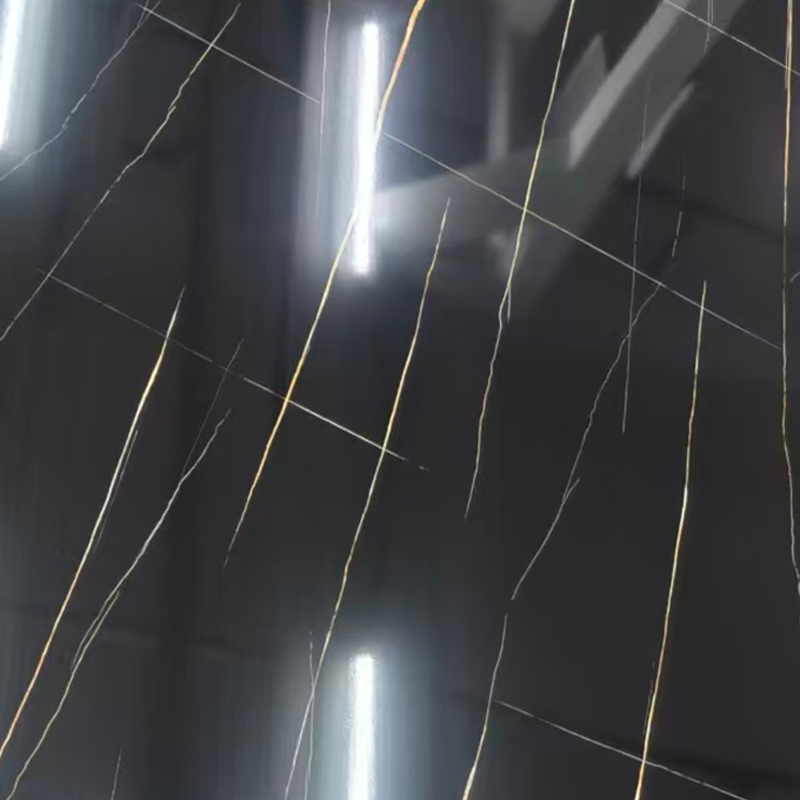
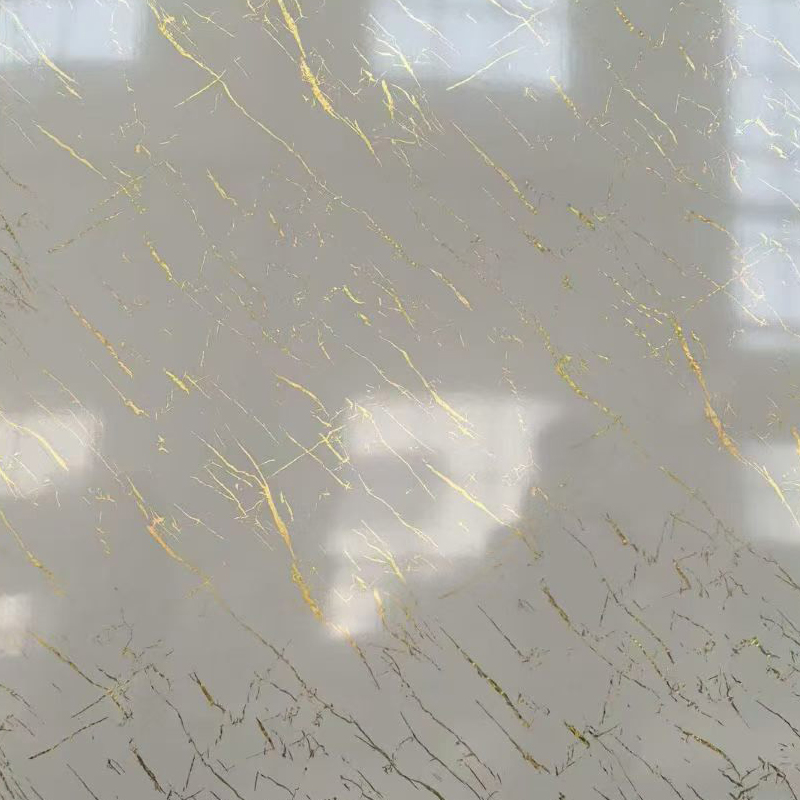
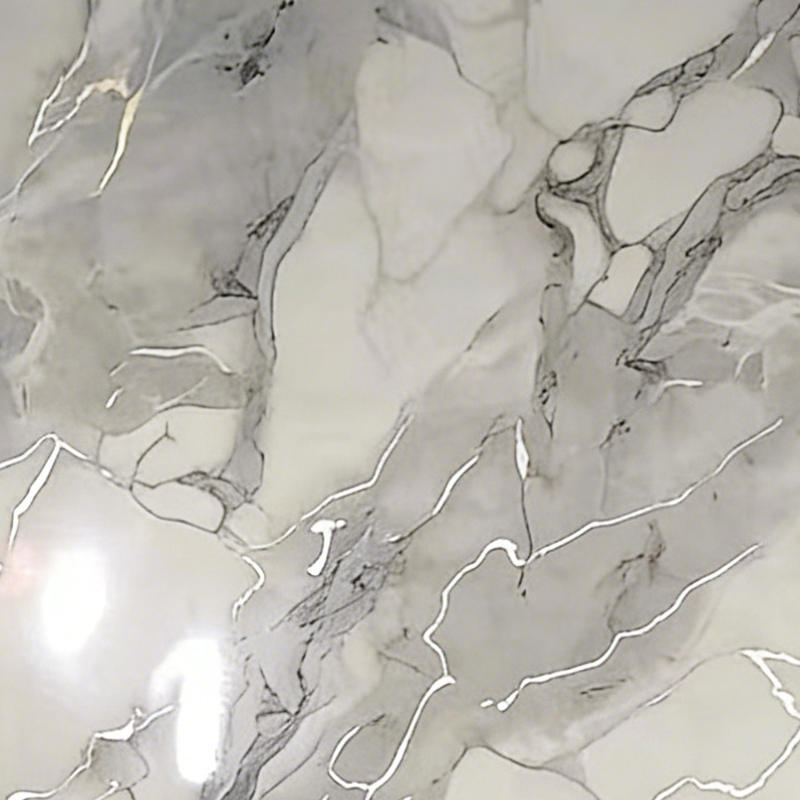
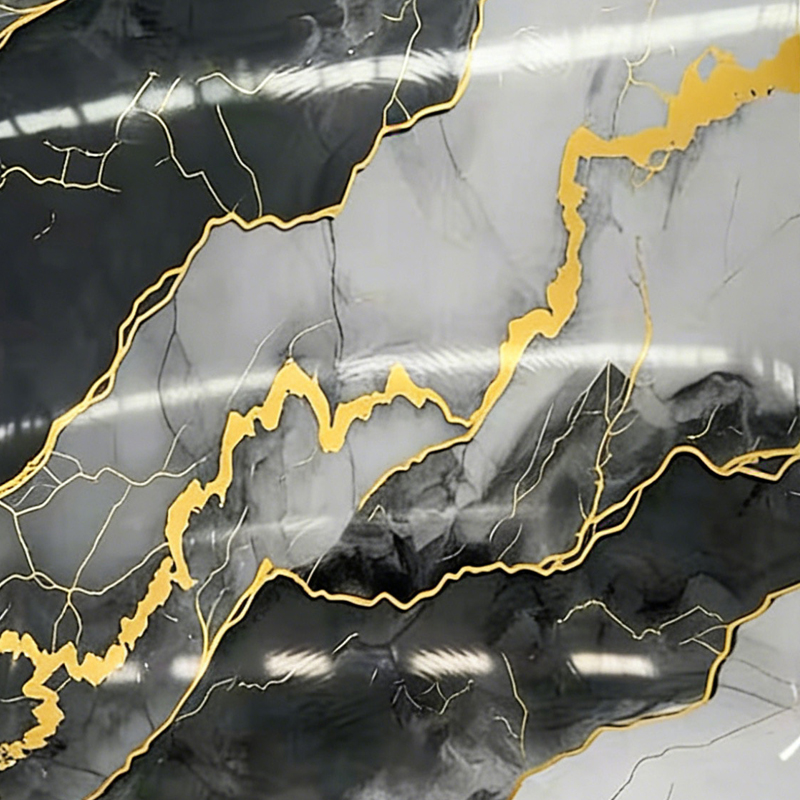
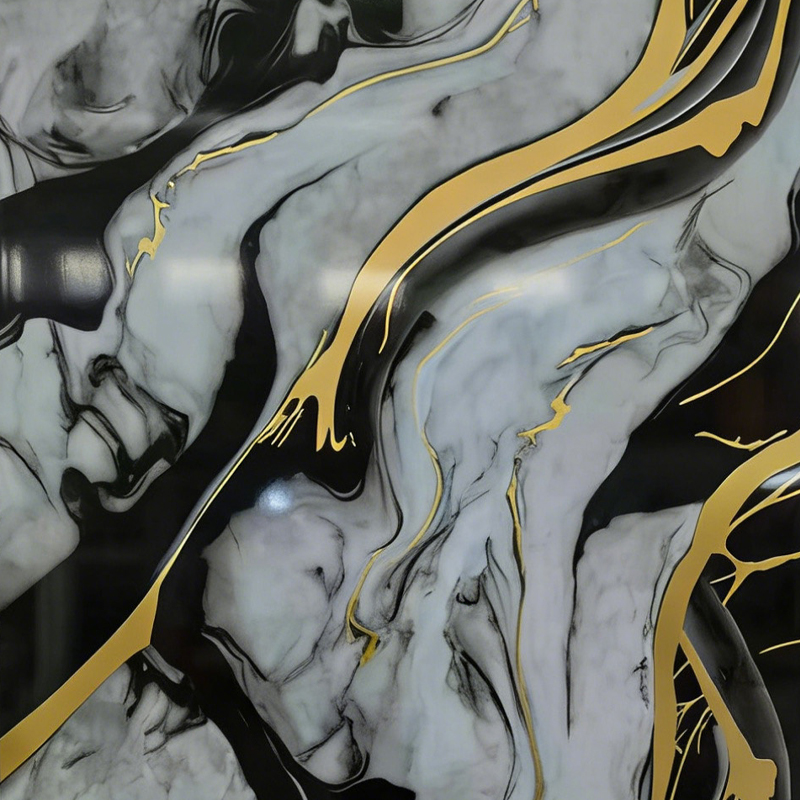
Large-format UV marble sheets serve the European classical, American transitional, and luxury modern segments, where the credibility of the stone simulation is the primary purchase driver. High-definition pattern registration — the alignment of veining across adjacent panels to create a continuous stone illusion — requires tight print repeat tolerances that only consistent film quality can guarantee.
Retro and maximalist styles, which have seen renewed commercial interest in hospitality refurbishments, draw on geometric tile-effect and textile-surface films. These typically involve more complex color layers and require the composite film lamination to maintain color accuracy across the visible spectrum without yellowing under UV-rich interior lighting. Zhe Keler's composite film products are engineered to address this specific degradation mechanism, extending the visual lifespan of decorative installations in high-ambient-light retail and F&B environments.
Supply Chain Considerations When Sourcing Decorative Wall Materials Internationally
For importers and project procurement teams in Europe, the Middle East, and Southeast Asia, sourcing decorative wall panels from Chinese manufacturers involves evaluating not just product specification, but supply chain structure. Key factors include lead time predictability, minimum order quantity flexibility for project-based procurement, and the manufacturer's ability to hold consistent color and texture standards across repeat production runs — an issue that becomes critical in phased construction projects where panels from different production batches must match.
The geographic position of Yuanhua Town in the Greater Hangzhou Bay Area offers logistics advantages worth noting. Proximity to the Yangtze River Delta port cluster — including Ningbo-Zhoushan and Shanghai — means that export lead times from factory gate to port of loading are shorter than for manufacturers located further inland. For time-sensitive fitout schedules, this structural advantage can reduce total project risk.
Documentation compliance for regulated markets is a separate consideration. European CE marking, REACH substance restriction compliance, and VOC content declarations are now standard requirements for contractors working under green building certifications such as BREEAM or LEED. Buyers entering new supplier relationships should request test reports from accredited third-party laboratories and verify that the reports correspond to the specific product formulation being ordered, not a superseded version. With an established export footprint spanning over 30 domestic cities and active channels into South America and the Middle East, Haining Zhe Keler Trading Co., Ltd. maintains the documentation infrastructure to support compliance verification in most target markets.