English
 Español
 عربى
عربى

Why Aluminum Profiles Accessories Outperform Traditional Finishing Options
In modern construction and interior fit-out projects, the choice of finishing hardware directly affects both the visual outcome and the long-term durability of wall systems. Aluminum profiles accessories have increasingly displaced older alternatives such as PVC edge trims and timber beading — and for good reason. Aluminum offers a combination of structural rigidity and low weight that timber and plastic simply cannot match, particularly in high-traffic commercial installations or environments with significant humidity fluctuation.
A key differentiator is corrosion resistance. Aluminum naturally forms a protective oxide layer, meaning that no additional coating is required to prevent rust in standard interior conditions. This makes it especially practical for bathroom feature walls, kitchen splashbacks, and humid commercial spaces where ferrous metals would degrade. Additionally, anodized or powder-coated aluminum surfaces retain their finish far longer than painted PVC under UV exposure — a relevant factor for installations near glazed facades.
From an installation standpoint, aluminum extrusions are dimensionally stable. Unlike wood, they do not expand, contract, or warp in response to seasonal moisture changes, which keeps panel joints tight and eliminates the cracking or gap formation that frequently plagues timber-trimmed installations after the first year.
Selecting the Right Installation Trims Accessories for Different Wall Panel Systems
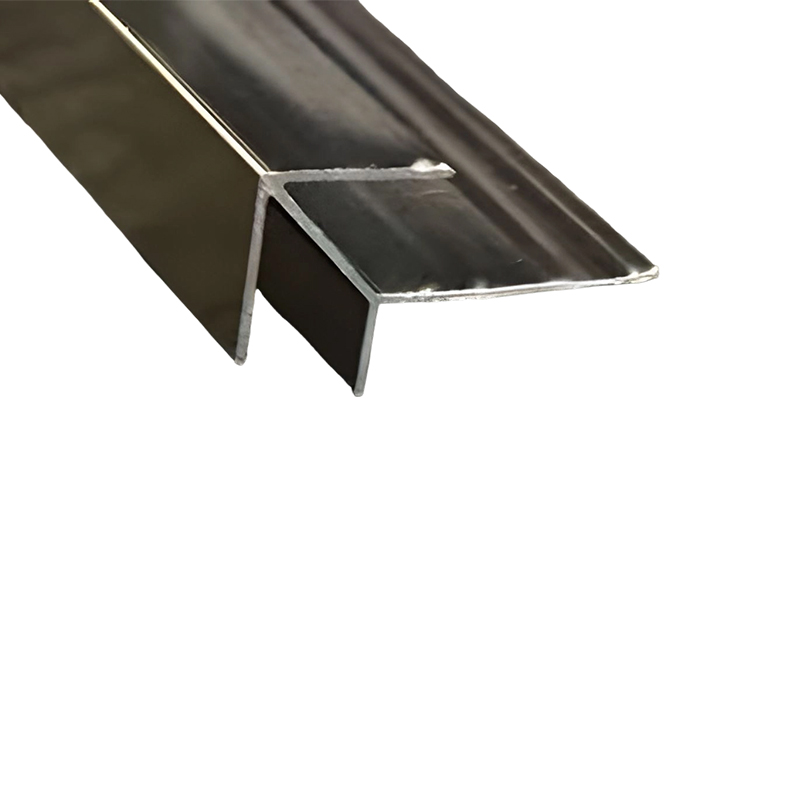
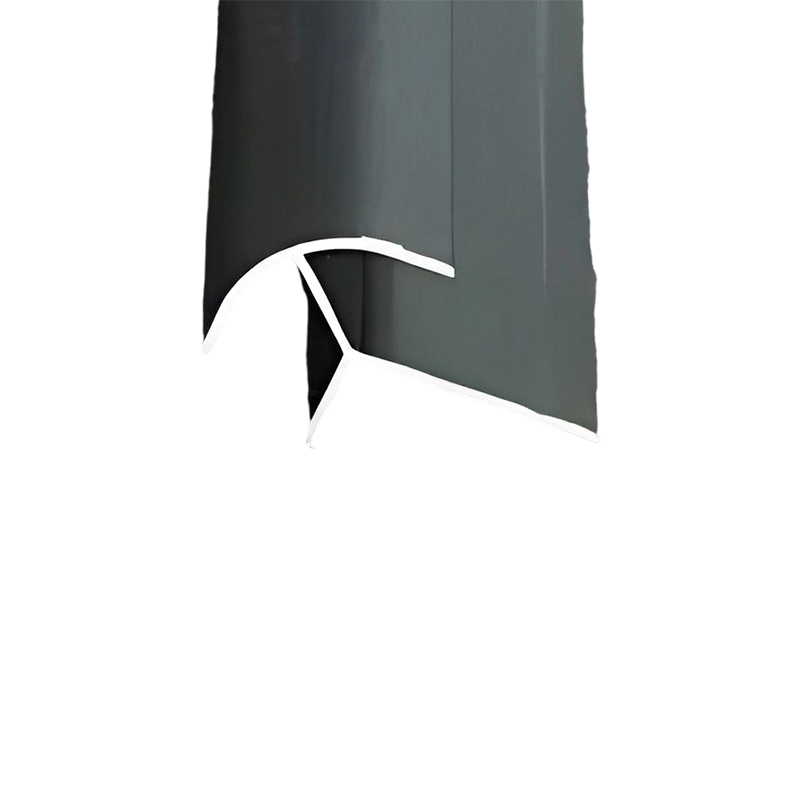
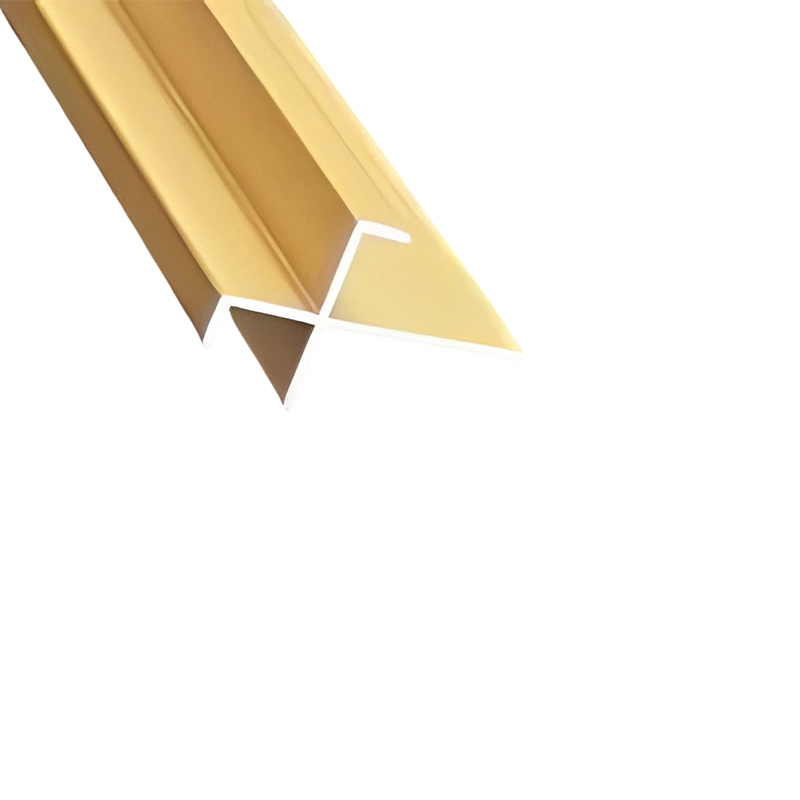
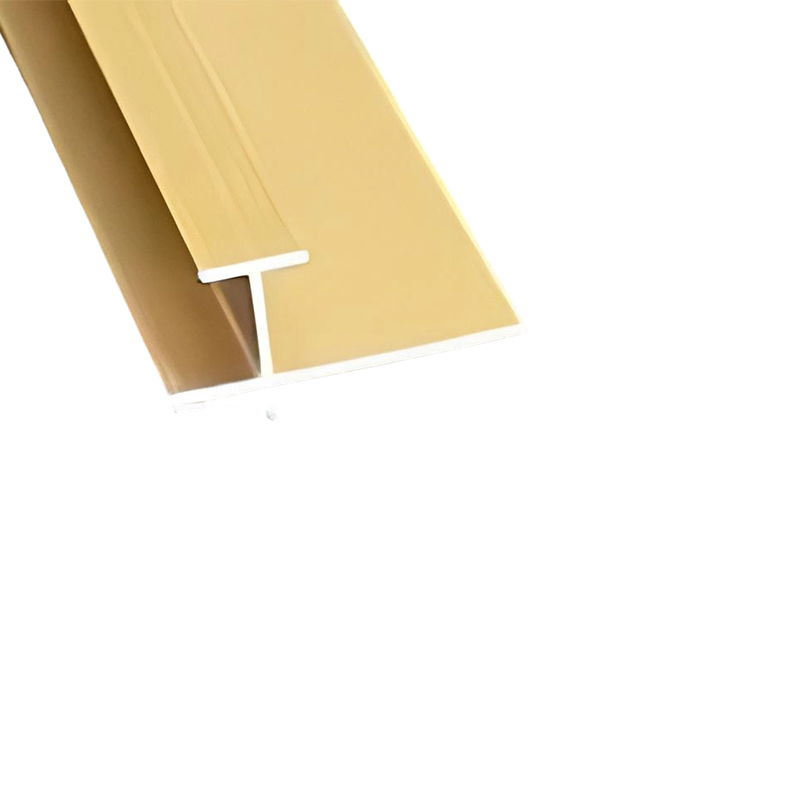
Not all trim profiles are interchangeable. The correct selection depends on the panel material, substrate conditions, joint type, and the visual language of the space. Haining Zhe Keler Trading Co., Ltd. supplies a range of installation trims accessories engineered to integrate precisely with various decorative panel systems — from standard MDF-backed film panels to higher-density composite boards.
The most commonly specified profiles fall into three functional categories:
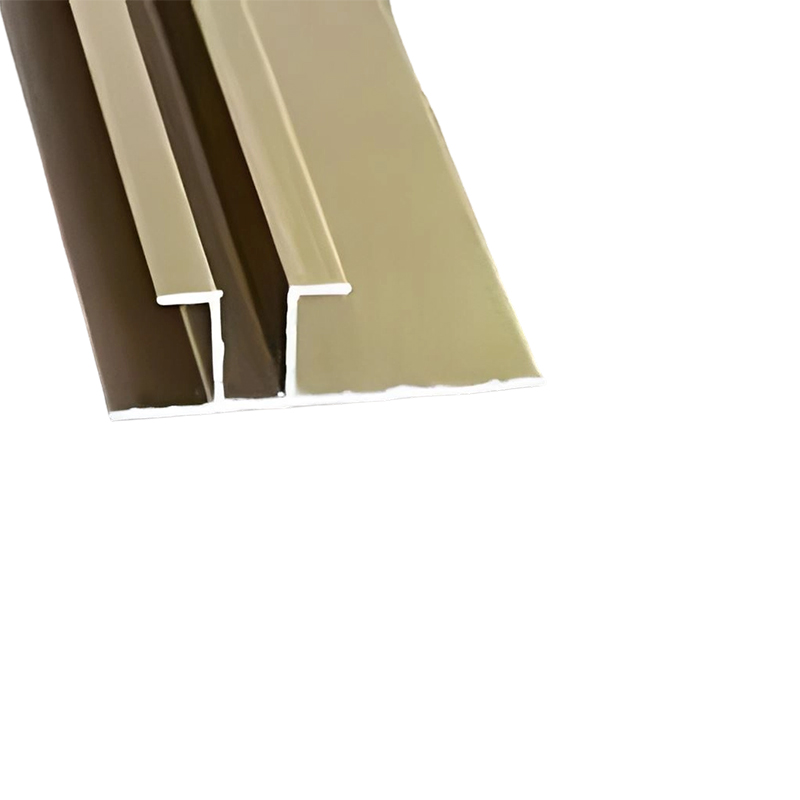
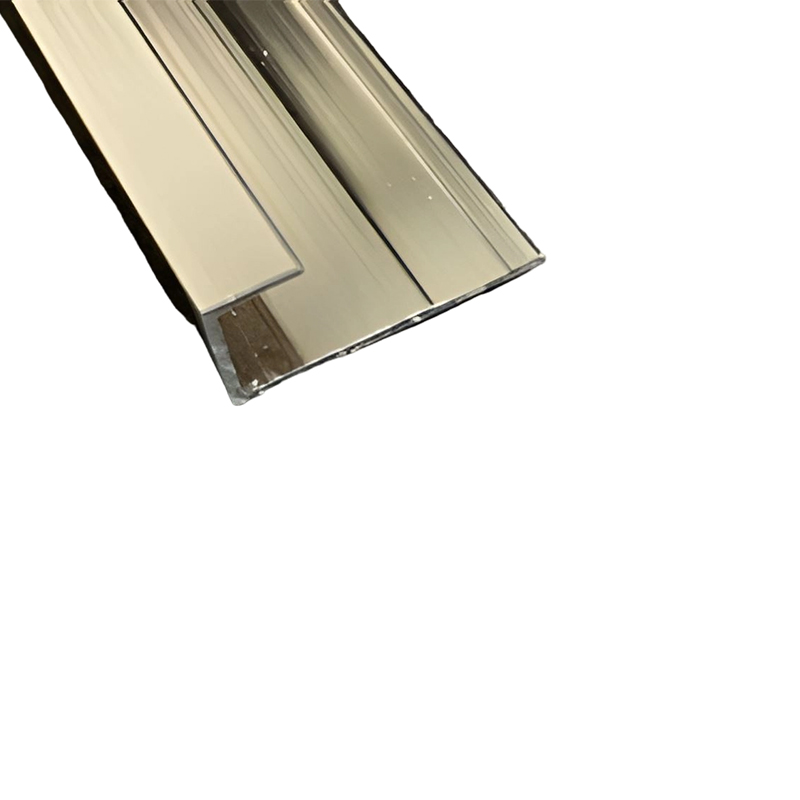
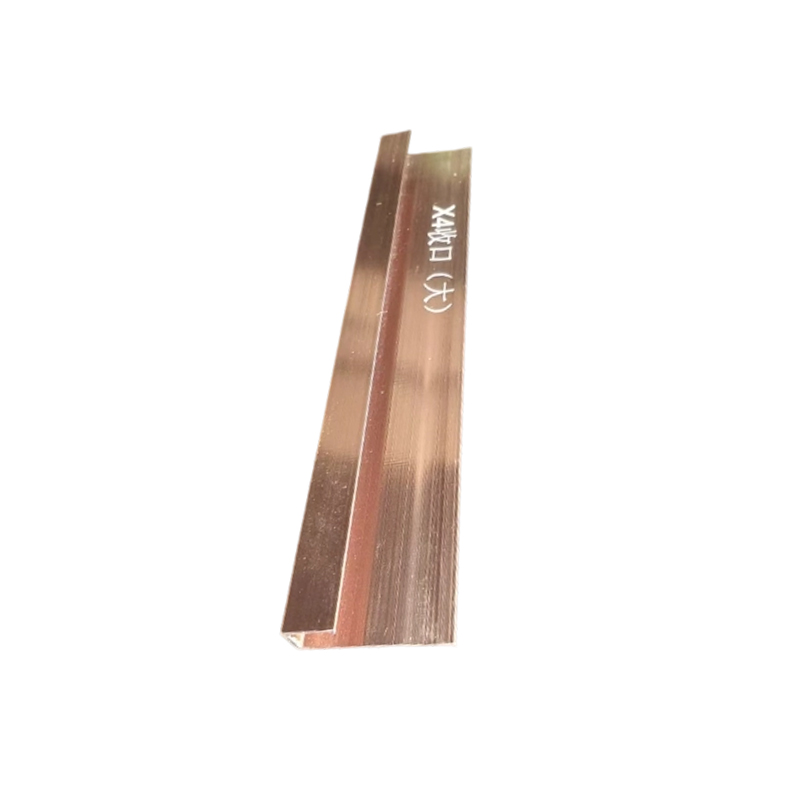
- Edge and end-cap trims — used to terminate panel runs cleanly at walls, ceilings, or openings, protecting the panel edge from moisture ingress and mechanical damage.
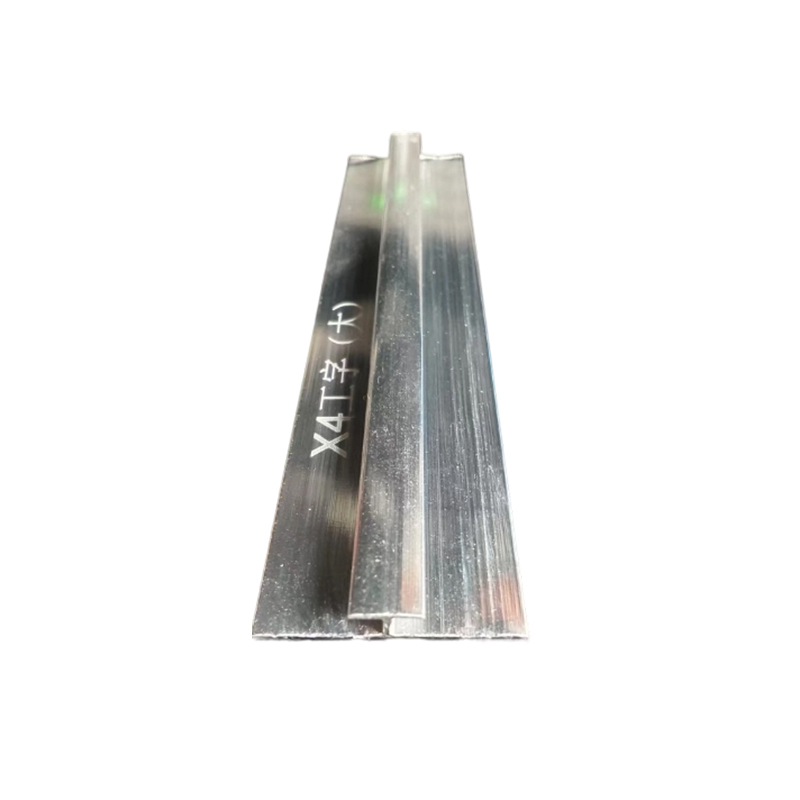
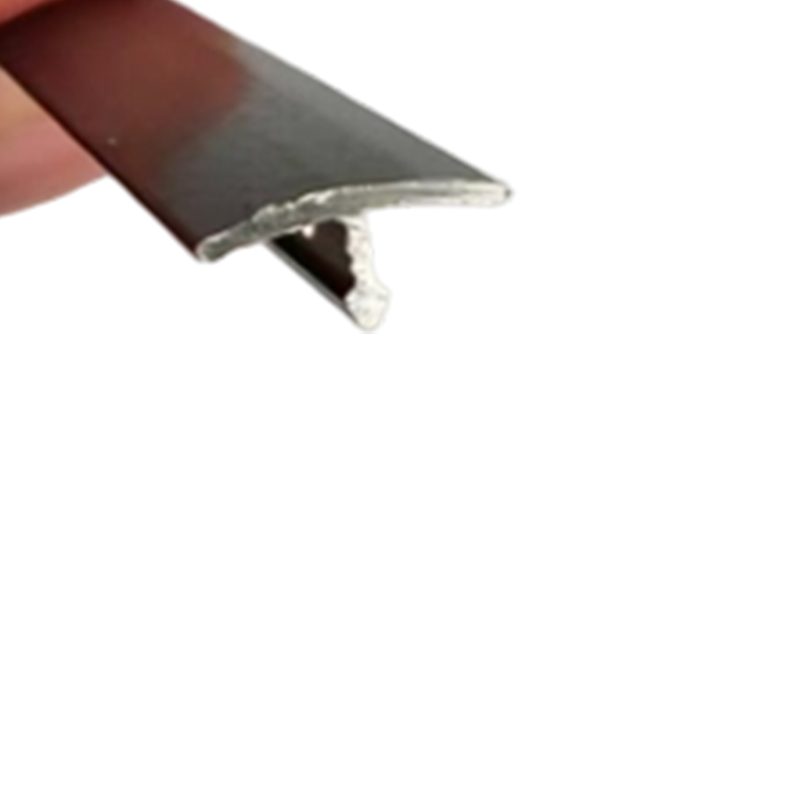
- Joiner profiles — bridging the transition between two adjacent panels in the same plane, accommodating minor dimensional tolerances while maintaining a seamless visual line.
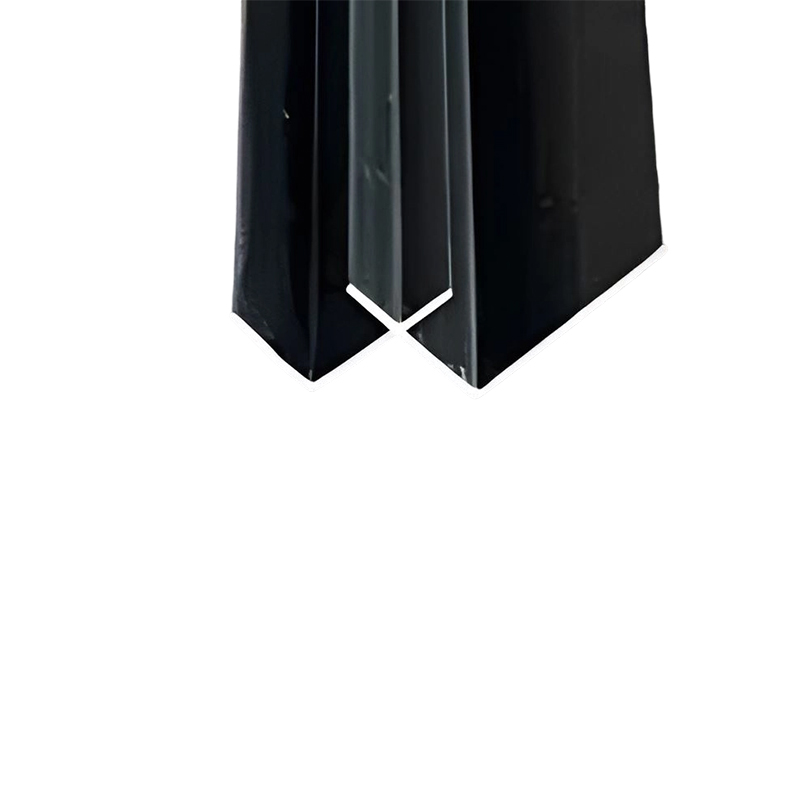
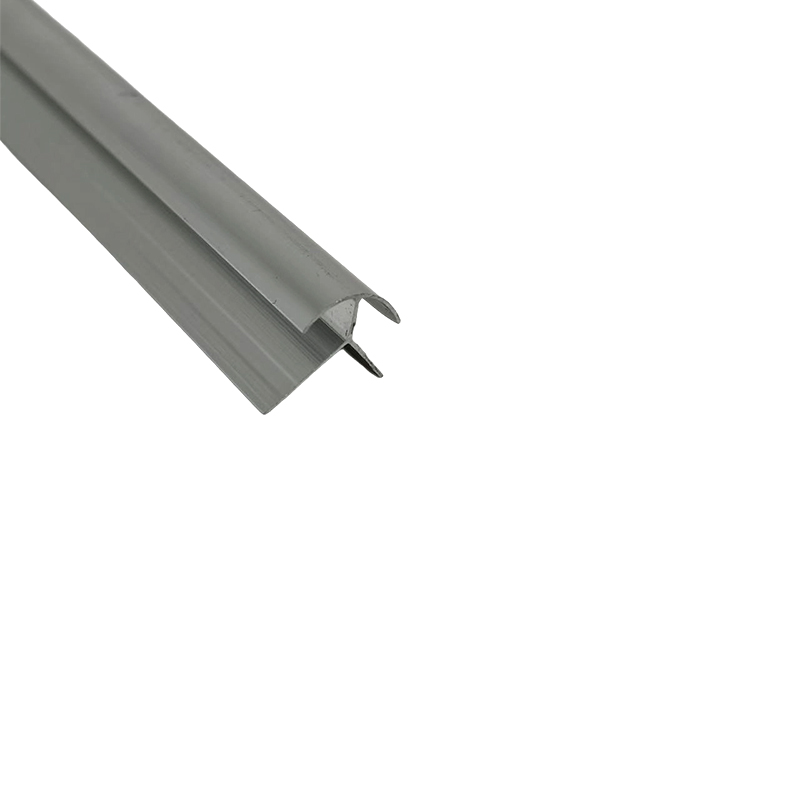
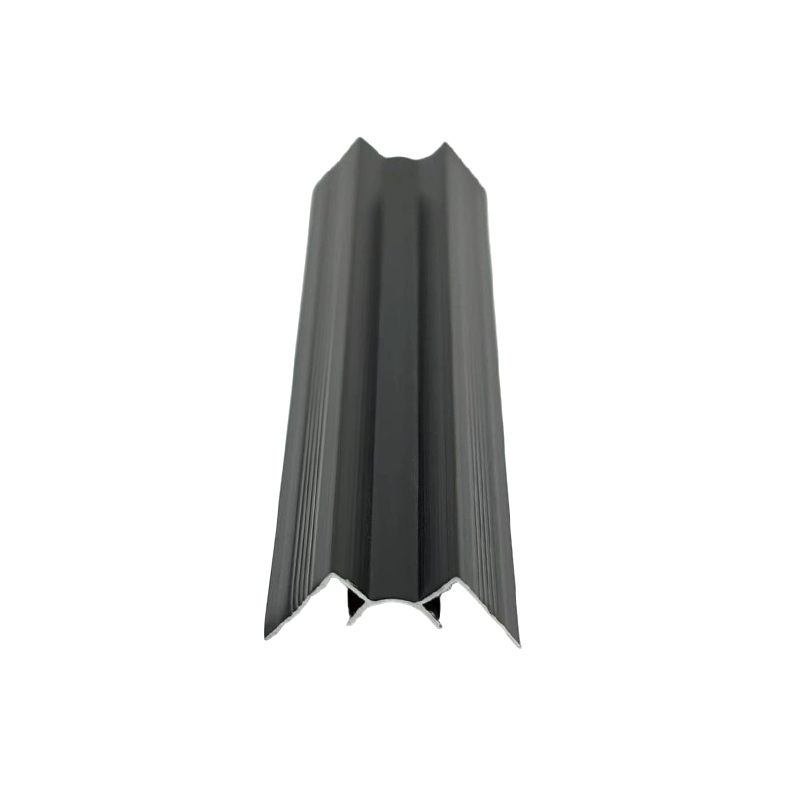
- Corner trims (internal and external) — designed to handle 90-degree junctions cleanly without the need for caulking, which degrades over time and creates maintenance obligations.
When specifying trims for thick panels (typically 10 mm or above), it is important to confirm the channel width of the profile before ordering. A mismatch of even 0.5 mm can prevent the panel from seating correctly, creating visible misalignment at the joint.
Aluminum Strips For Wall Panel: Surface Finish Choices and Their Practical Implications
The surface treatment applied to aluminum strips for wall panel systems influences not just aesthetics but maintenance frequency, scratch resistance, and compatibility with panel surface films. Three finishes dominate current specification practice:
| Finish Type | Key Advantage | Best Suited For |
|---|---|---|
| Anodized | Hardest surface; integral color that cannot flake | High-traffic commercial, hospitality |
| Powder Coated | Widest color range; cost-effective | Residential, retail, office fit-outs |
| Brushed / Mill Finish | Industrial aesthetic; fingerprint-resistant texture | Minimalist and industrial interiors |
One often-overlooked consideration is thermal transfer film compatibility. When aluminum trims are paired with wall panels carrying high-definition thermal transfer film surfaces — wood grain, marble, or geometric patterns — the trim finish should complement rather than compete with the panel surface. A brushed silver anodized trim, for instance, reads as a deliberate design choice against a wood-grain panel, whereas a mismatched gloss white powder coat can appear unintentional.
Specifying Wall Accessories For Living Room Versus Commercial Environments
The specification logic for wall accessories for living room settings differs meaningfully from commercial procurement. In residential living rooms, the priority hierarchy typically runs: visual refinement first, ease of DIY installation second, cost third. Slim-profile aluminum lines in matte or brushed tones are a dominant choice — they provide a crisp, contemporary boundary between panels and adjacent surfaces without drawing attention to themselves. Profile heights in the 10–15 mm range are generally preferred over bulkier industrial sections.
In commercial settings, the calculus shifts. Durability and ease of replacement dominate, since damage to a single trim section in a hotel corridor or retail fit-out must be rectified quickly and with minimum disruption. This places a premium on standardized, widely stocked profiles over bespoke custom sections. Clip-in or snap-fit aluminum trim systems have grown in commercial popularity precisely because they allow section replacement without disturbing adjacent panels or requiring specialist labor.
For large-scale projects, dimensional consistency across a batch is critical. Extrusion tolerances that are acceptable in a single-room residential application can produce visible cumulative misalignment across a 50-meter commercial wall run. Procurement teams sourcing aluminum trim at volume should request tolerance certification and, where possible, source entire project quantities from a single production batch to eliminate inter-batch variation. Haining Keler Decoration Materials Co., Ltd. supports export customers across Europe, the Middle East, South America, and Southeast Asia with consistent batch quality backed by their integrated science-industry-trade production model.