English
 Español
 عربى
عربى

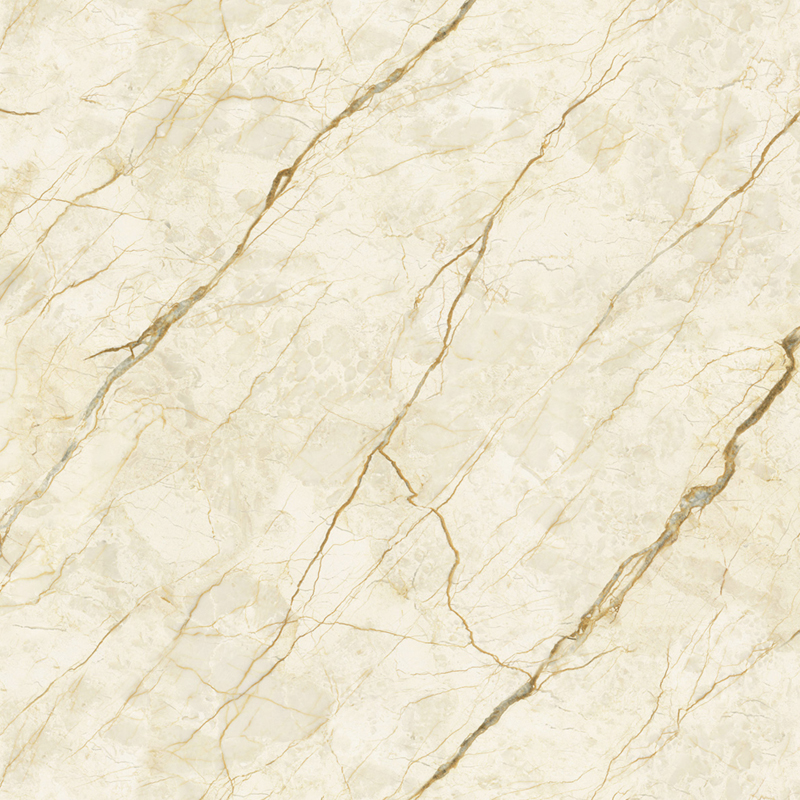
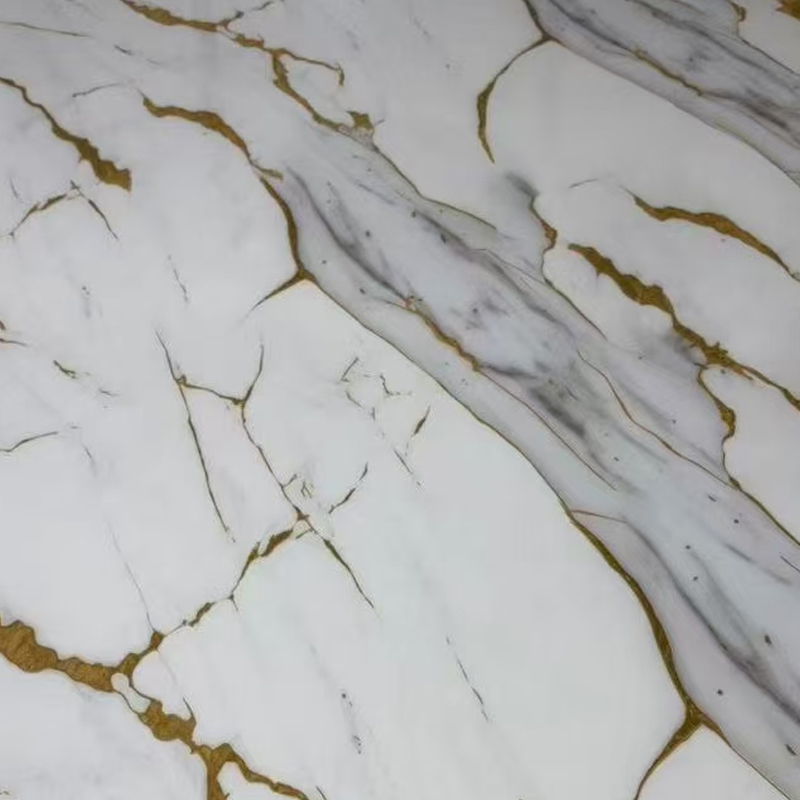
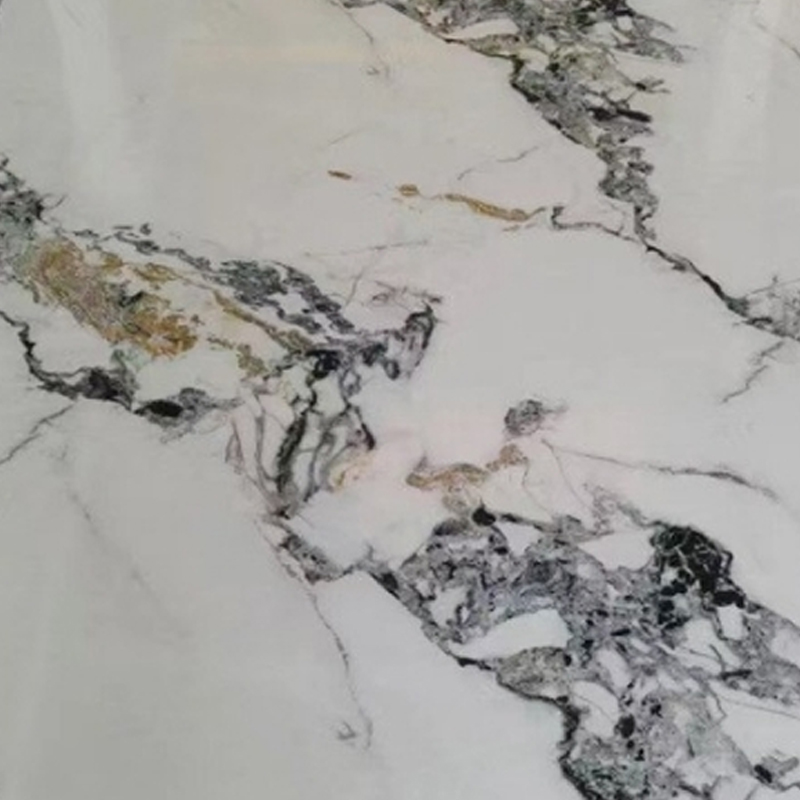
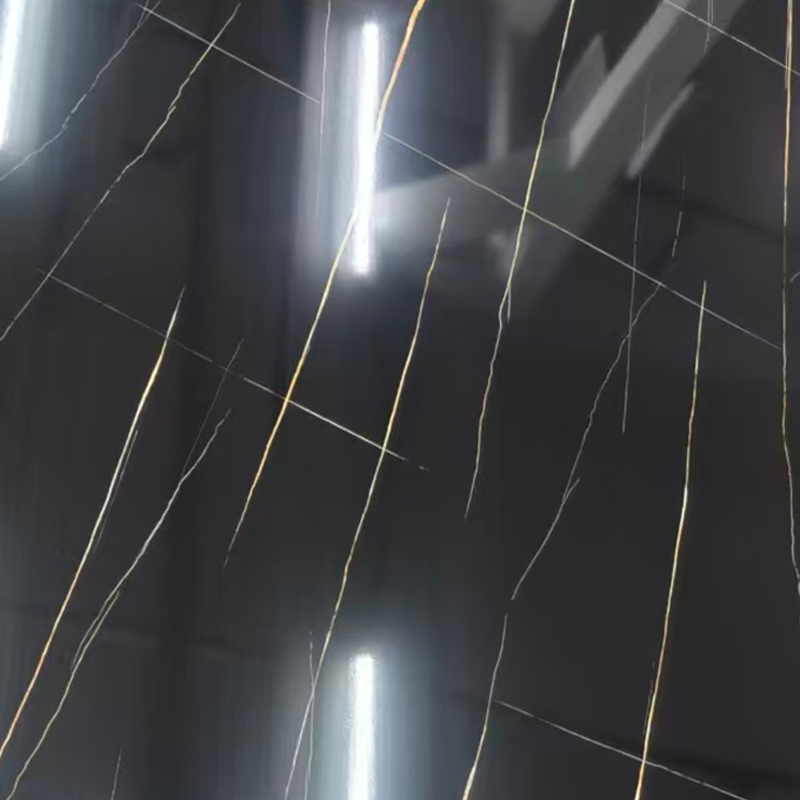
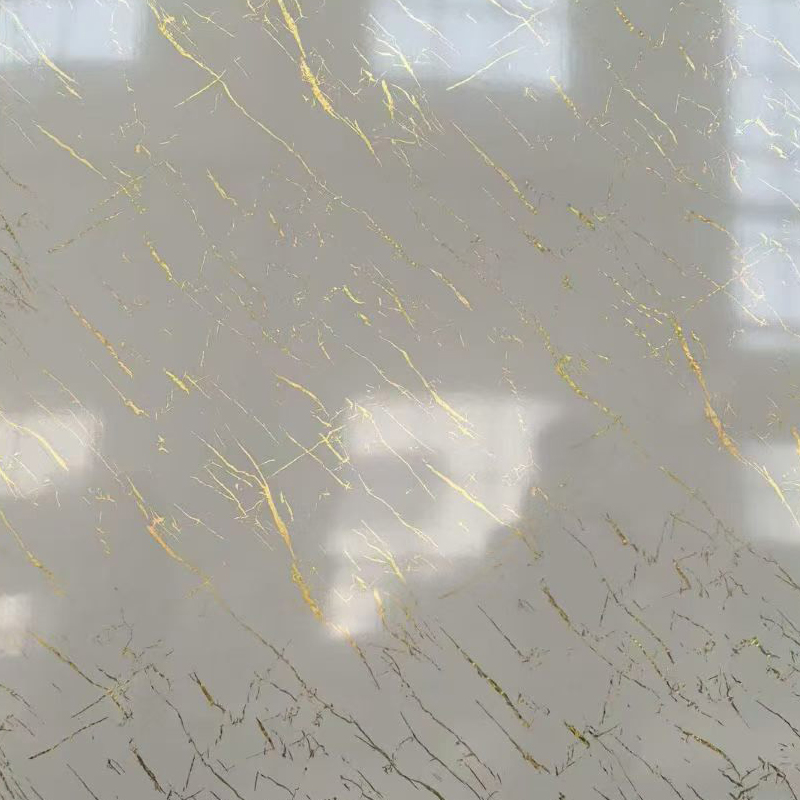
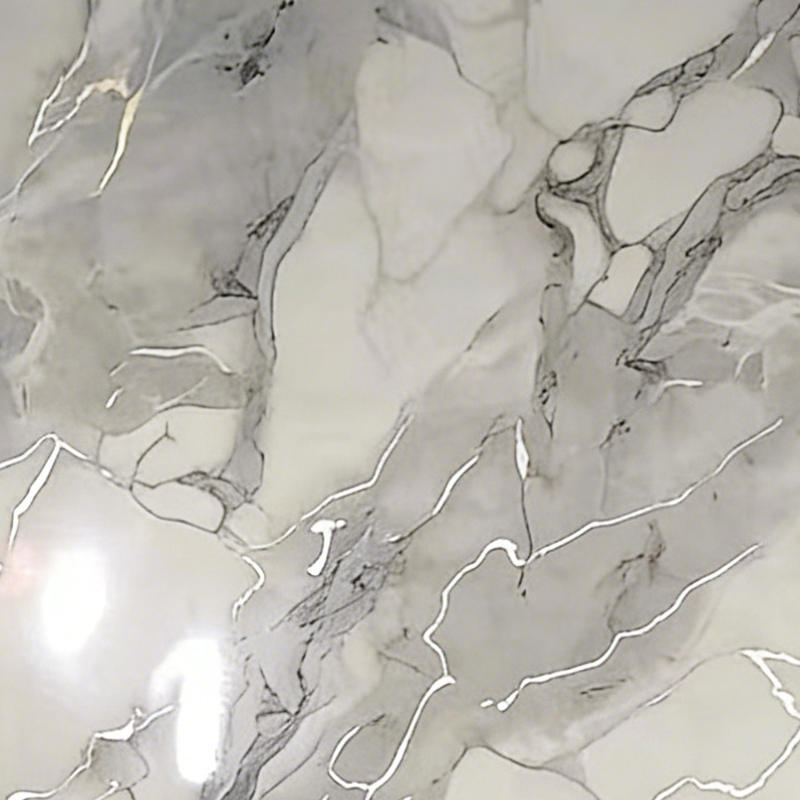
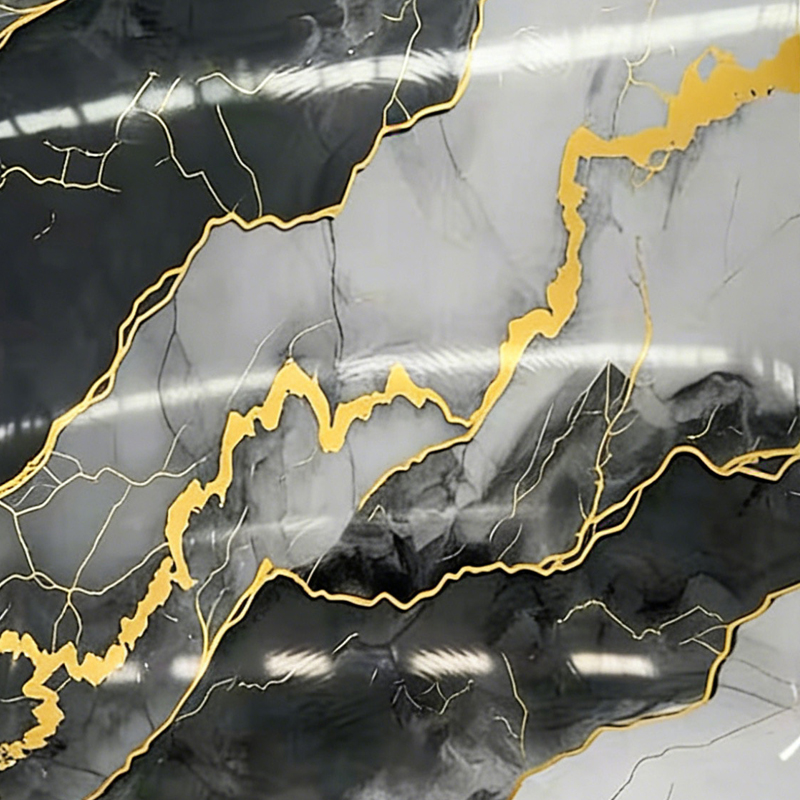
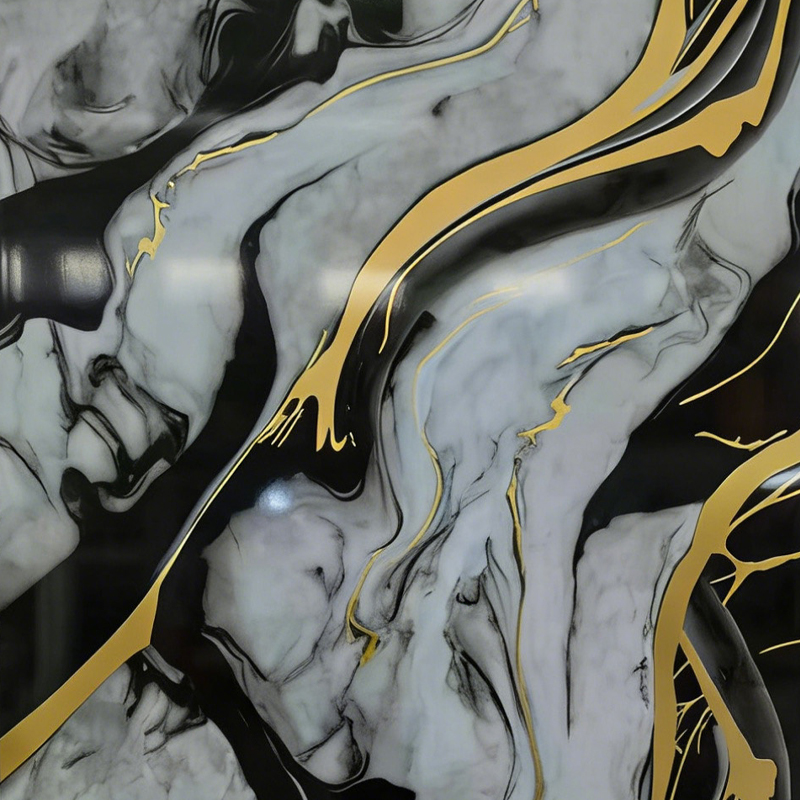
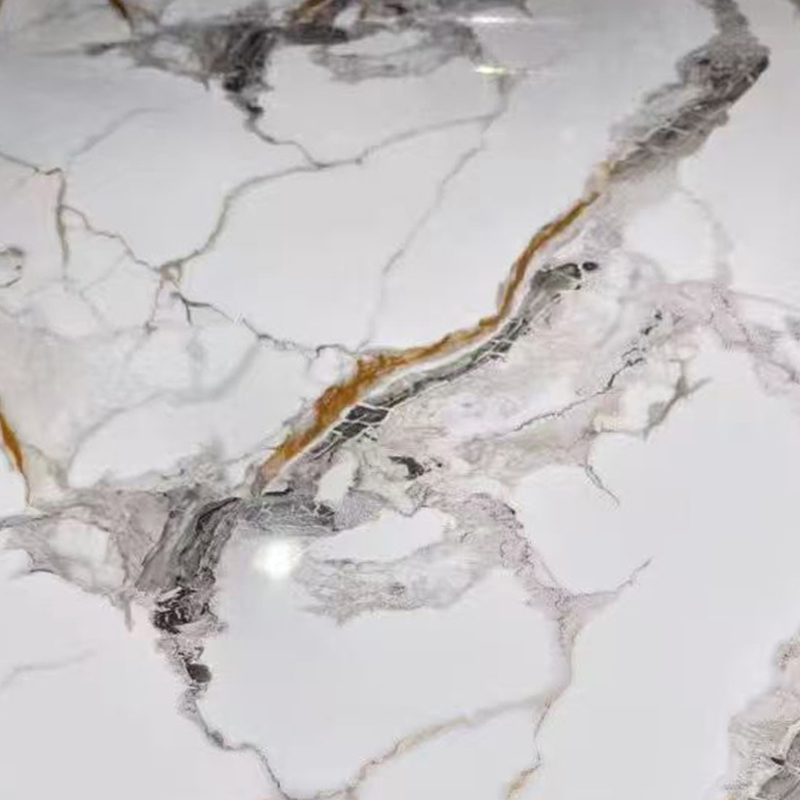
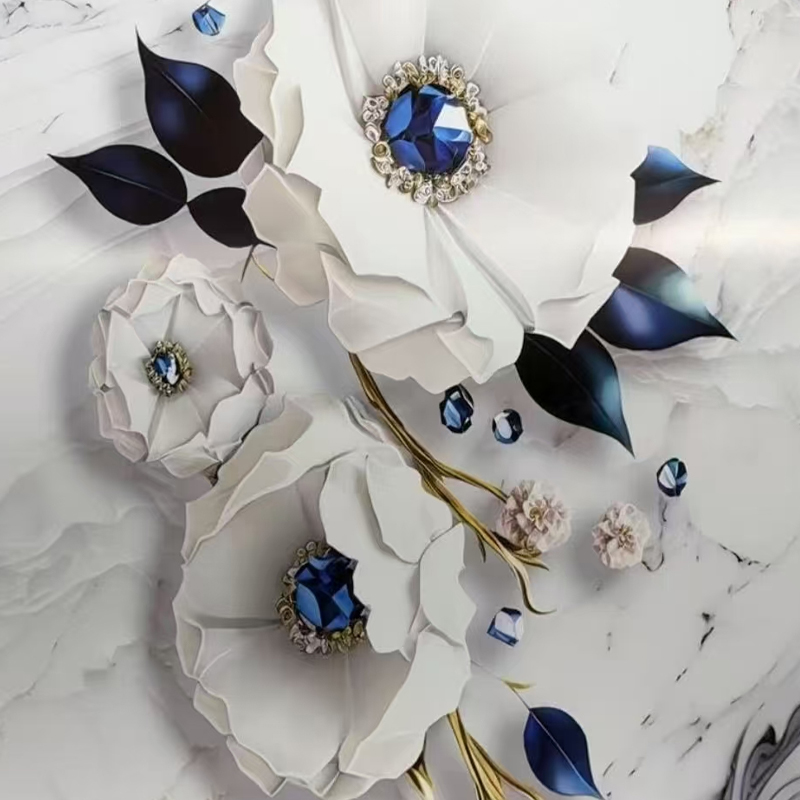
What Makes UV Marble Sheet Different From Other Stone-Effect Wall Materials
The term "marble-effect panel" covers a wide range of products at very different quality tiers, and understanding the material composition is the most reliable way to distinguish them. PVC UV marble sheet is manufactured from a blended base of stone powder and PVC resin, then surface-treated through UV curing — a process that cross-links the decorative layer under high-intensity ultraviolet light to form a dense, hardened surface. This is categorically different from simply printing a marble pattern onto a vinyl or paper-backed laminate, which remains susceptible to surface delamination and moisture ingress over time.
The stone powder component in the substrate contributes directly to the tactile realism of the finished panel — the weight distribution and slight surface granularity more closely approximate genuine stone than foam-core alternatives. At the same time, the PVC resin matrix keeps the overall panel weight significantly lower than natural marble slabs, which typically range from 2,500 to 2,700 kg/m³. This density differential has practical consequences for structural loading in renovation projects, particularly when panels are being applied to existing wall surfaces not originally designed to carry stone cladding.
Haining Keler Decoration Materials Co., Ltd. positions its UV marble sheet production around the UV curing quality variable specifically, as inconsistencies in curing energy delivery — common in lower-cost production lines — result in uneven surface hardness and accelerated gloss degradation under interior ambient light.
Installation Environments Where UV-Cured Panels Outperform Conventional Options
The performance advantages of marble wall panels decoration based on UV-cured PVC become most apparent in environments where moisture, temperature cycling, and chemical exposure are ongoing rather than incidental. Bathrooms and wet rooms are the most frequently cited application, but the relevant performance characteristics extend to a broader range of interior contexts.
In residential and commercial kitchens, the combination of steam, grease aerosols, alkaline cleaning agents, and repeated thermal shock from cooking zones creates a demanding surface environment. Natural marble is particularly vulnerable here — its calcium carbonate composition reacts with acidic substances to cause etching, and its inherent porosity absorbs cooking oils and staining agents despite sealing treatments. UV marble sheet eliminates both failure modes: the non-porous UV surface layer repels liquid penetration, and the PVC substrate is chemically inert to the acids and alkalis common in kitchen cleaning routines.
Spa facilities and indoor pool surrounds represent another high-value application where this material class has gained traction. Sustained high humidity, chlorine-bearing air, and the need for slip-resistant surface profiles in transition zones all place constraints on material selection that eliminate most conventional wall cladding options. UV marble panels, particularly those with textured surface finishes, address humidity and chemical resistance simultaneously while maintaining the luxury visual register that these environments require.
For commercial and public facility specifiers, zero formaldehyde certification is an increasingly non-negotiable procurement criterion, particularly in markets with tightening indoor air quality regulations. The absence of formaldehyde-releasing adhesives or resins in the panel composition supports compliance with LEED, WELL, and equivalent green building certification schemes.
Pattern Continuity and Large-Format Design: Technical Considerations for Specifiers
One of the most technically demanding aspects of specifying marble sheet wall paneling for high-end interior applications is achieving convincing vein continuity across panel joints. Natural marble quarried in large slabs can be book-matched — mirror-reflected at the cut edge to produce a symmetrical vein pattern across two adjacent pieces. Replicating this effect with manufactured panels requires precise print repeat registration and consistent dimensional tolerances in the panel cutting process.
High-fidelity digital printing on UV marble sheet now achieves print repeat cycles of 2,400mm or longer on premium production lines, which accommodates floor-to-ceiling installations in standard residential and commercial settings without a visible repeat break. For installations exceeding this height — atrium walls, feature staircases, hotel lobbies — specifiers should confirm print repeat length with the manufacturer before finalizing panel layouts, as a mismatched repeat in a visually prominent location is difficult and costly to correct after installation.
Joint treatment is a separate but related consideration. Butt-jointed panels with color-matched sealant are the standard approach for wet areas, while feature installations sometimes use profiled aluminum trim to frame individual panels as deliberate design elements. The choice between these approaches affects the visual outcome significantly: butt joints emphasize continuity, while profiled trim frames each panel as a discrete element and is more forgiving of minor dimensional variation between panels from different production batches.
Zhe Keler's product development approach incorporates pattern design research aligned with active interior trends, ensuring that the available stone grain and veining options remain relevant to current specification requirements rather than relying on pattern libraries that reflect earlier market cycles.
Comparing Substrate Options: When PVC-Based Panels Are the Right Structural Choice
Decorative stone-effect wall panels are produced on several different substrate platforms — MDF, calcium silicate board, aluminum composite panel, and PVC — each with a distinct performance and processing profile. For buyers evaluating sheet wall panels for specific project types, understanding where PVC-based construction is advantageous — and where it is not — prevents misspecification.
PVC substrates offer the best moisture dimensional stability in the panel category. Unlike MDF, which expands measurably when moisture content rises above approximately 8%, PVC is dimensionally stable across the full range of humidity conditions encountered in interior spaces. This makes PVC-based panels the correct choice for any application where the substrate will be exposed to moisture during or after installation — wet-area wall linings, panels installed before complete weathertightness, or exterior-protected but non-climate-controlled spaces.
Processing characteristics also favor PVC for on-site fabrication. The material cuts cleanly with standard woodworking tooling, routers, and score-and-snap methods, and its consistent density means that cut edges remain stable without sealing treatment in dry interior conditions. Aluminum composite panels offer competitive rigidity and fire performance but require metal fabrication tools for precise cutting, increasing on-site installation complexity.
The fire retardancy of PVC-based stone grain board panels is a frequently cited specification point, though buyers should verify the specific fire reaction class of the product against the building code requirements of their target market. European EN 13501-1 classifications and ASTM E84 ratings used in North American markets are not directly equivalent, and a product tested to one standard cannot be assumed compliant with the other without independent verification.