English
 Español
 عربى


A kitchen cabinet lamination line runs at 140°C. The operator lays a PET transfer film over a UV-coated panel, presses it through heated rollers, and peels away the release liner. If the film is not built for that temperature, the pattern distorts, the adhesive under-cures, and the whole batch is scrapped. The same question appears in hotel lobby redecoration and bathroom wall cladding: how much heat can PET film actually take?
The short answer is that a properly engineered PET transfer film can handle the typical heat transfer window of 120°C to 180°C. But sustained high-temperature performance is a different story. The safe range depends on the film structure, the hot melt adhesive layer, and the substrate you are bonding to. This guide walks through what that means for your process and how to avoid the common mistakes that show up after installation.
What Does High Temperature Mean for PET Transfer Films?
When people ask about film and high temperature, they are usually asking one of two questions: can it survive the heat used in the transfer process, and can it keep performing after the surface is installed. The two answers are not the same.
During transfer, the film is exposed to heat long enough to soften the adhesive and let it bond to the substrate. This is a short, intense thermal event. After the film is applied, the temperature it meets in daily use is usually much lower, but it is continuous. A film can handle 150°C for a few seconds in a heat press and still struggle if the finished panel sits near a stove for years.
PET film is a polyester product. Its glass transition temperature sits around 78°C, and its melting point is around 250°C. Those numbers apply to the base film. A decorative transfer film adds a printed layer, a release layer, and a hot melt adhesive. Each layer changes how the whole construction responds to heat. The practical result is that the film's tolerance is defined by the weak point in the stack, not by the polyester film alone.
The safest approach is to treat the adhesive layer as the limit. If the adhesive begins to soften or degrade before the printed design has stabilized, no amount of base film strength will save the finish.
Heat Transfer vs. Cold Peel: Where Temperature Makes the Biggest Difference
The process you choose determines how much heat the film has to withstand. Heat transfer film, also called hot stamping foil, is designed to be peeled while it is still hot. It moves fast, and the heat used to activate the adhesive doubles as the force that sets the pattern.
Cold peel transfer film is processed differently. The film is heated to cure the adhesive, then cooled before the liner is peeled away. The temperature range is similar, but the thermal exposure pattern is longer and more controlled. For surfaces that are sensitive to sudden heat, cold peel gives the operator a wider window to manage the process.
| Parameter | Heat transfer (hot peel) | Cold peel transfer |
|---|---|---|
| Process temperature | 120°C to 180°C | 100°C to 150°C |
| Peel timing | Immediately after pressing | After cooling below 50°C |
| Best suited for | Panels, profiles, stone surfaces | Plastics, metals, complex shapes |
Both methods work for decorative surfaces, but the choice affects your line speed and your tolerance for defects. For a living room TV background wall, many installers prefer the shorter cycle of hot peel with a living room TV background wall PET transfer film because the surface is flat and heat retention is easy to manage. For a kitchen cabinet line, the same logic applies, but the temperature control needs to be tighter because the adhesive has to hold a lighter or more reflective pattern.
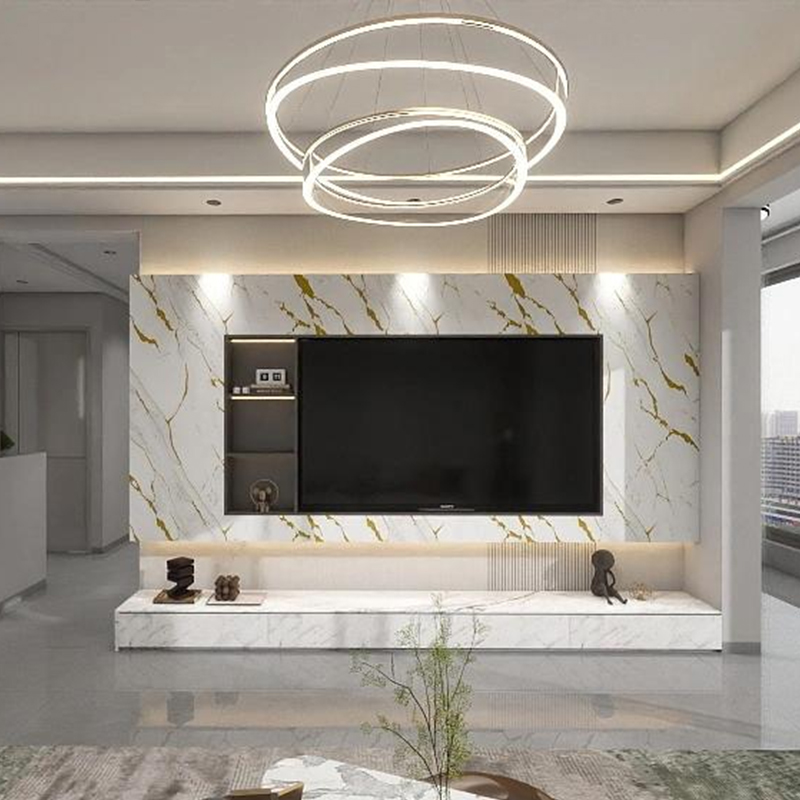 PET Transfer Film for Living Room TV Background WallThis PET film features a minimalist design with scratch-resistant surface and soft sheen, ideal for TV walls and decorative partitions, enhancing visual unity in living spaces.View Product →
Temperature Tolerance in Real-World Decorating Scenarios
After installation, the film meets real heat sources. The most common ones are kitchen stoves, radiator pipes, bathroom heater vents, and appliance panels.
- Kitchen walls and countertops: Heat from the stove and oven can push surface temperatures well above normal indoor conditions. A film with poor heat resistance will start to curl or release at the edges.
- Bathroom and sauna areas: Steam plus heat creates a demanding combination. The adhesive must resist moisture while the film stays dimensionally stable.
- Appliance panels: Some appliances are warm surfaces themselves. A film used on an appliance panel needs to tolerate the heat generated by the equipment, not just the ambient room temperature.
- Hotel and commercial environments: Lobby walls and corridor cladding are often near spotlights, electrical equipment, and radiators. These are not extreme temperatures, but they are continuous.
For furniture and cabinet color change projects, the heat requirement is usually about the production process rather than the installed environment. A 3D transfer film for furniture and cabinet color change often needs to survive both the heat of the wrapping process and the warm air that rises from a kitchen appliance below the cabinet. The adhesive composition is what carries that load.
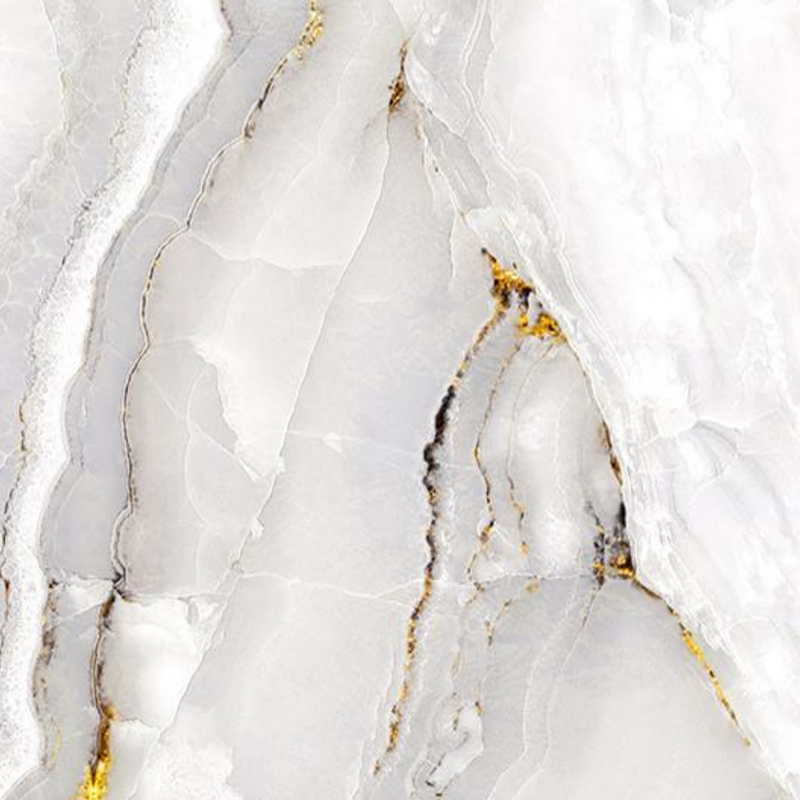 3D Transfer Film for Furniture and Cabinet Color ChangeThis 3D transfer film can be applied directly to existing cabinet surfaces, transforming them with realistic wood grain or stone patterns, reducing renovation costs and time.View Product →
How to Match a High-Temperature Film to Your Substrate
Matching the film to the substrate is the part where many purchase decisions go wrong. The film may be rated for 150°C, but if your substrate softens at 120°C, the process will deform the panel before the film has a chance to bond.
Start with the substrate's characteristic temperatures. PVC begins to soften between 70°C and 100°C. Wood veneer panels are usually stable up to 120°C under short exposure. UV-coated boards can take more, but the coating itself reacts differently to heat than the core material does.
Then check the adhesive. Hot melt adhesives used in decoration transfer films have activation ranges that vary by chemical composition. A film with a lower activation temperature can be processed on a sensitive substrate, but the finished surface may have a lower service temperature ceiling. A film with a higher activation temperature offers stronger long-term adhesion but requires feed speeds and press settings that not every line can deliver.
The general principle for matching hot stamping foil to plastic substrates also applies to other base materials: confirm the film's recommended process temperature, the substrate's tolerance, and the adhesive's activation window before you buy. Then run a small trial on the exact material you will use in production.
For a kitchen cabinet surface that needs a deep, gilded look under a glossy finish, the gilded black crystal kitchen cabinet PET heat transfer film is designed to hold its pattern under process heat while the adhesive cures. The visual result depends on the film, but the long-term performance depends on the substrate matching.
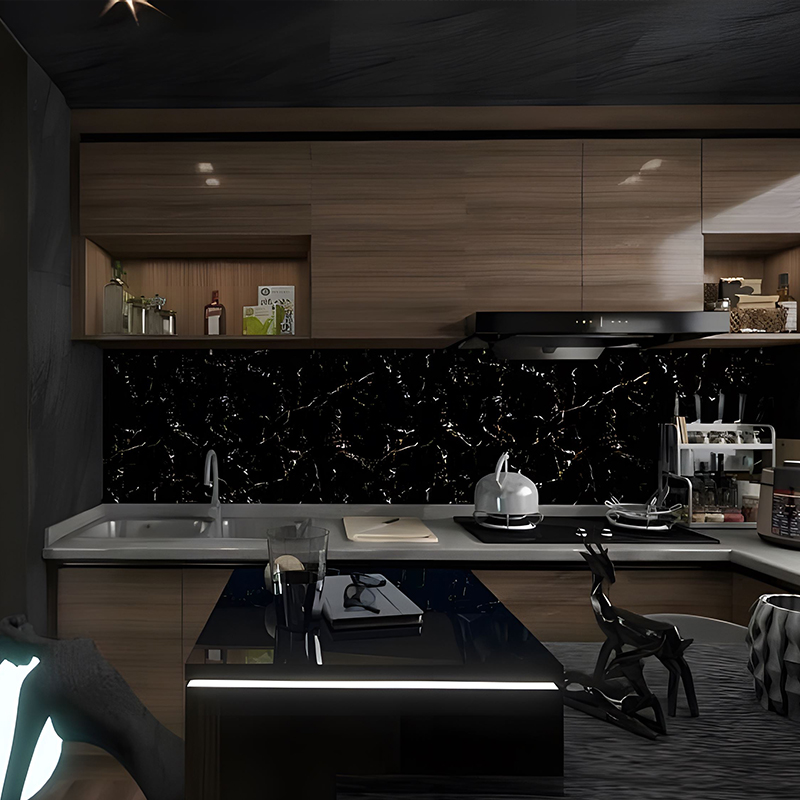 Gilded Black Crystal PET Film for Kitchen CabinetsThis PET film offers a crystalline black background with gold flecks, providing high-temperature resistance, oil resistance, and easy cleaning for kitchen cabinets and countertops.View Product →
Common Risks When Temperature Control Fails
Temperature problems are visible in very predictable ways.
- Under-heating: The adhesive does not reach activation. The film bonds loosely, and bubbles form along the edges within days. Low heat is the most common cause of delamination in PET transfer film.
- Over-heating: The printed layer burns or shifts. Pattern lines lose sharpness, and the surface develops a haze that does not appear until the film is held against the light.
- Uneven heating: One side of the substrate receives more heat than the other. The film and substrate expand at different rates, creating wrinkles that look like poor coating quality.
- Cooling too fast: When the film cools before the adhesive has fully relaxed, the shrink forces pull the film slightly off the surface. This is often mistaken for a material defect.
Most of these issues can be prevented by recording the surface temperature at the press, not just the heater setpoint. A small difference between the two is enough to push the adhesive out of its intended window.
Frequently Asked Questions
Q1: What temperature can PET transfer film withstand during installation?
Decorative PET transfer films are typically processed between 120°C and 180°C. The exact window depends on the adhesive and the substrate. Always confirm the film's recommended range with the supplier.
Q2: Can PET film be used near stoves or ovens?
Yes, but only if the film is rated for sustained heat. The surface near a stove can reach temperatures above normal room level. Choose a film with a service temperature that matches the specific location, and verify the substrate can handle the same heat.
Q3: Is cold peel film better for high-temperature applications?
Not automatically. Cold peel offers more control over the cooling phase, which helps on complex shapes. For sustained high temperature, the adhesive composition matters more than the peel method.
The two things that matter most when you talk about film, PET, and high temperature are the process window and the installed environment. A film that survives a quick heat press can still fail if its adhesive is not matched to the substrate or if the finished surface meets continuous heat. After choosing a film with a suitable process range, run a trial, verify the substrate compatibility, and keep the press temperature consistent.
If those three boxes are checked, a PET transfer film will deliver the decorative finish you need without turning the installation into a lesson in thermal control.