English
 Español
 عربى


The short answer: no, a regular printer cannot produce true DTF transfers. DTF (Direct to Film) printing needs a white ink channel, PET film transport, and adhesive powder curing, none of which a standard home or office printer can deliver. Social media hacks often produce transfers that fade after a few washes, crack at the fold, or look grainy. This guide explains what DTF actually requires, what the regular printer hack can and cannot do, and how PET film technology connects DTF to decorative surface applications.
Why a Regular Printer Falls Short in DTF
A standard inkjet or laser printer was engineered to place ink or toner onto paper. DTF asks for much more than that. To produce a transfer, the printer needs to feed a PET film substrate, deposit a white underbase, and then lay down a color layer with output that will later be fused with adhesive powder and heat-pressed onto fabric.
Here is why a regular printer does not match DTF requirements:
- No white ink channel. DTF uses white ink as a base layer so colors stay vivid on both light and dark garments. Regular printers have no white ink, and adding a white line to a home printer is expensive and far from plug-and-play.
- No film transport. DTF film is a polyester sheet with a release coating. It is thinner and more sensitive than standard paper, so friction-fed rollers in a regular printer often cause jams, curls, or scratches.
- Print head tuned for paper. A home inkjet head is calibrated for paper absorption, not film. On PET film, ink droplets can bleed or fail to stay sharp, resulting in blurry edges and poor detail.
- No adhesive powder or curing step. DTF requires hot-melt powder and a curing oven at around 150 to 160 degrees Celsius. A regular printer has no way to apply the powder or control that temperature.
So can you print DTF with a regular printer? For professional-grade transfers, the honest answer is no. You can print a design on transfer paper with a home printer, but that is sublimation or paper transfer, not DTF.
What a Real DTF Setup Includes
If you want to produce DTF transfers in-house, here is the equipment and consumable list. Each component plays a specific role, and the total cost can be significantly higher than a standard home printer.
| Component | Role in the Process | Typical Price Range |
|---|---|---|
| DTF printer | Prints color plus white ink on PET film | $1,500 to $5,000+ |
| DTF ink set | CMYK plus white; supplies the print head | $100 to $300 per set |
| DTF PET film | Holds the design before heat transfer | $20 to $50 per roll |
| Adhesive powder | Bonds the ink to fabric under heat | $15 to $40 per kilogram |
| Powder shaker and curing oven | Applies and melts the adhesive powder | $300 to $1,200 |
| Heat press | Transfers the design from film to garment | $250 to $800 |
| RIP software | Controls color profile, white layer, and ink limits | $50 to $300 |
The total entry cost lands between $2,500 and $7,000 depending on print width, brand, and whether you buy new or second-hand. Some DIY converters exist, but they still require the powder and heat press side of the workflow.
The Regular Printer Hack: What It Actually Produces
Videos online show people using a regular inkjet printer, transfer paper, and DTF powder to create a homemade DTF transfer. Some of these work as a one-off experiment on light-colored cotton. Most produce prints that fail basic durability tests.
- Print the color design on transfer paper. A regular printer can print colored designs well, but without white ink, there is no underbase. On dark fabrics, the design will look see-through, dull, and muddy.
- Sprinkle DTF powder over the print. The powder is supposed to stick only to the ink. On transfer paper, the ink-to-paper adhesion is weaker, so powder clumps in some areas and misses others.
- Melt the powder and press. A heat press can apply the temperature, but without the correct film coating, the transfer sticks unevenly, edges lift, and the print often cracks after several wash cycles.
When does the hack work well enough? In narrow cases: light-colored fabric, simple line-art designs, or test runs where durability is not critical. As a business-grade solution, it is not practical. Wasted film, wasted shirts, and customer returns add up quickly.
If you want reliable DTF output, you either need a proper DTF printer or you outsource transfers to a print shop that uses the right equipment.
PET Film: The Shared Foundation of DTF and Decorative Surfaces
At the core of DTF is a PET film with a release coating. The ink bonds to the film, the adhesive powder melts onto it, and heat transfers the design to a fabric. The same polymer science powers decorative transfer films used in cabinetry, furniture, and wall cladding.
In a decorative workflow, a cold peel PET transfer film behaves like DTF film: after heat application, the film cools, then peels away to leave the design on the target surface. The difference lies in the adhesive chemistry, where DTF uses hot-melt powder to bond to fabric while decorative films use a thermal adhesive to bond to boards and panels.
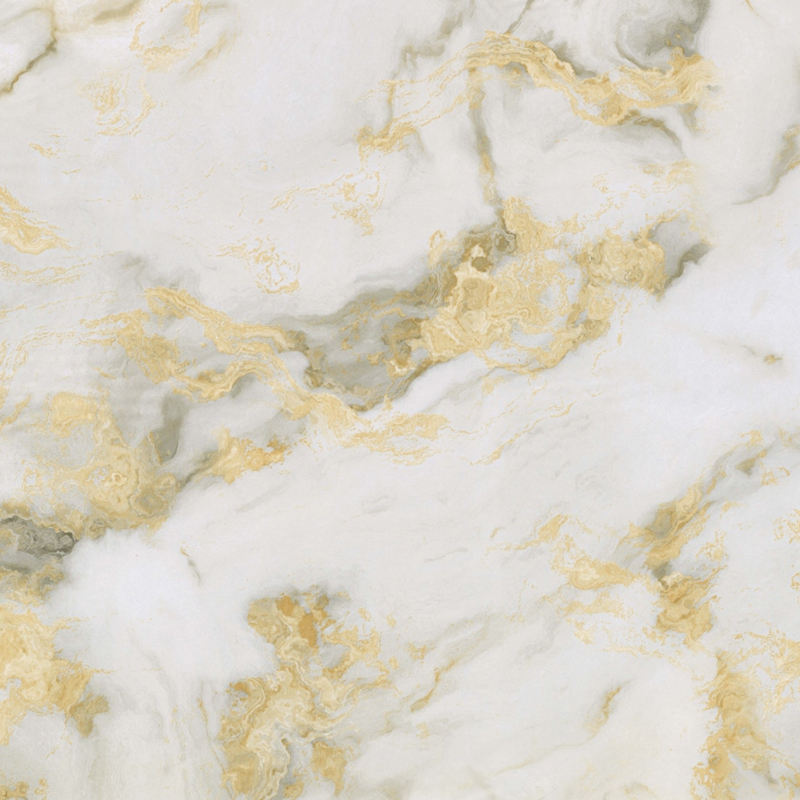 Custom Cold Peel PET Transfer Film for Home and Cabinet DecorationThis cold-peel PET transfer film is designed for decorative surfaces, bonding to rigid panels with thermal adhesive. Ideal for background walls, cabinets, and appliance panels, it adds a durable, printed finish after peeling.View Product →
For projects that need visual depth, PET 3D transfer films add three-dimensional texture to flat panels. They bring the tactile quality you see in DTF to rigid surfaces such as kitchen islands, TV feature walls, and commercial counters.
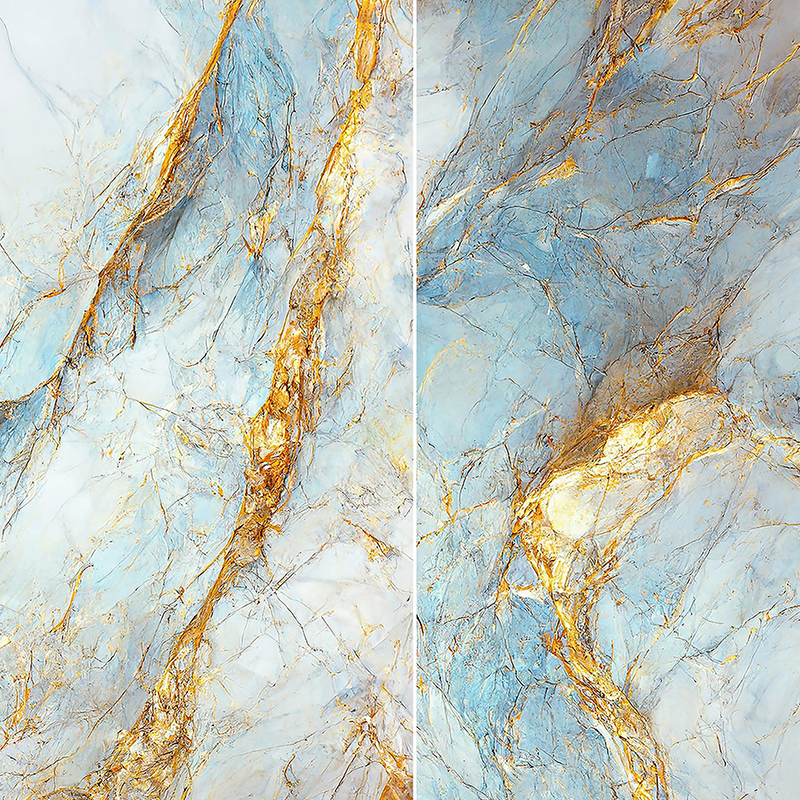 PET 3D Transfer Film for Adding Textured Depth to Flat PanelsThis PET 3D transfer film creates a three-dimensional tactile effect on rigid surfaces, enhancing kitchen islands, TV feature walls, and commercial counters with a realistic textured finish after lamination.View Product →
UV DTF vs. Standard DTF
UV DTF and standard DTF are different processes that share the same name. Standard DTF uses water-based inks, hot-melt adhesive powder, and a heat press to bond the design to fabric. UV DTF uses UV-curable inks that harden under a UV lamp, and it typically does not require adhesive powder.
UV DTF is more common for hard surfaces such as bottles, metal, glass, and acrylic. Standard DTF is the process used for t-shirts, hoodies, and other textile products. The films are also different product categories because UV-curable inks cure and bond in a different way from water-based DTF ink.
Common DTF Mistakes and How to Fix Them
Even with the right printer, DTF has a learning curve. Most mistakes trace back to the film and the curing step.
- Printing on the wrong side of the film. Most DTF films are single-sided coated. The coated side should receive the ink. Printing on the wrong side leads to poor powder adhesion and transfers that peel away. Read our detailed guide on which side of DTF film to print on.
- Setting the wrong curing temperature. Adhesive powder melts around 150 to 160 degrees Celsius. Too low leaves raw powder, and too high burns the coating and shrinks the film.
- Leaving excess powder on the film. Extra powder creates white smudges and cracks during the press. Always shake off the excess before curing.
- Overheating during the final press. The fabric side needs proper pressure and temperature, but the film side can scorch and discolor the transfer.
FAQs
Q1: Can I use a regular inkjet printer for DTF?
No. A regular inkjet printer lacks a white ink channel, PET film transport, and a curing station. You can print on transfer paper, but that is not DTF and it will not have the same durability.
Q2: Do I need white ink for DTF?
Yes. White ink is the underbase in DTF. Without it, designs cannot be printed on dark garments, and colors appear weak and transparent.
Q3: Can I convert a normal printer into a DTF printer?
Some people add a white ink line and modify the ink system of a desktop printer. This is not reliable for production. The print head, film transport, and powder curing are still not designed for DTF, so output quality is inconsistent.
Q4: What is the most affordable way to get DTF prints?
Order sample transfers from a print shop or rent time on a DTF setup before buying a machine. If you decide to buy, choose a proper small-format DTF printer rather than a converted regular printer.
Q5: Is DTF printing better than screen printing for small runs?
For small runs, DTF is often more efficient because it does not require screens or setup time. For large orders, screen printing is still cost-efficient. The choice depends on your order volume and design complexity.
If you are researching whether to invest in DTF or exploring how PET film technology can support your surface decoration projects, start with realistic expectations. A regular printer cannot deliver DTF transfers. But with the right setup, or a transfer film engineered for rigid surfaces, you can achieve consistent, high-quality results that your customers will trust.