English
 Español
 عربى
عربى

During a factory visit last year, a furniture manufacturer showed us two cabinets wrapped with the same PET transfer film. One surface had survived two years of daily use; the other was already peeling at the edges. The film roll was the same, the laminating machine was the same, and the workshop temperature was nearly identical. The only difference was the hot melt adhesive formulation used on the transfer film itself.
If you are sourcing decorative transfer films or evaluating a new supplier, the hot melt adhesive formulation is the first thing you should understand. It determines how strongly the film bonds to the substrate, how long that bond lasts, and how the film behaves during lamination, in high-heat environments, and in daily wear.
What a Hot Melt Adhesive Formulation Actually Contains
A hot melt adhesive is a thermoplastic material that is applied in a molten state and solidifies onto the substrate as it cools. A typical PET transfer film carries a hot melt adhesive layer whose formulation directly controls tack, peel strength, heat resistance, and open time. Every formulation can be broken down into four main types of ingredients.
Typical General-Purpose Hot Melt Composition
33%
33%
32.5%
0.5%
These percentages move when the film must be softer, stickier, or more heat-resistant.
Polymer. The polymer is the backbone of the adhesive. EVA, polyolefins, and amorphous polyalphaolefins are common choices. Higher molecular weight usually correlates with stronger cohesive strength, but it also raises the required application temperature.
Tackifier. Tackifiers such as rosin esters or C5/C9 hydrocarbon resins create the initial tack that lets the film stick almost immediately after lamination. Too little tackifier results in poor wet-out on smooth surfaces. Too much can reduce the heat resistance.
Wax. Wax is often the most overlooked ingredient. It lowers the melt viscosity for smoother coating and shortens the open time so the adhesive solidifies faster. A higher wax content speeds up production but can reduce bond strength if the level goes too far.
Antioxidant and plasticizers. Antioxidants protect the polymer from heat-induced degradation during extrusion, coating, and lamination. Plasticizers, when used, soften the adhesive and improve flexibility but can contribute to long-term creep if overused.
How Hot Melt Formulation Drives PET Transfer Film Bonding
The bond between a transfer film and its substrate is created by a thin, continuous adhesive layer. That layer must wet out the substrate surface quickly, hold the film tightly during processing, and retain its grip after the composite cools. The formulation adjusts all three corners of that triangle.
Peel strength is largely governed by the polymer type and its molecular weight. A higher molecular weight creates stronger cohesive strength, making the film harder to pull off after lamination. Heat resistance follows the glass transition temperature of the polymer and the softening point of the wax. For kitchen surfaces, UV marble sheets, or window frames that sit near direct sunlight, the formulation must be tuned so the adhesive does not creep or soften at 60 to 80 degrees Celsius.
For a closer look at how these chemistry choices show up in a finished product, this article on hot melt adhesive composition and PET transfer film bonding explains the mechanism with practical examples.
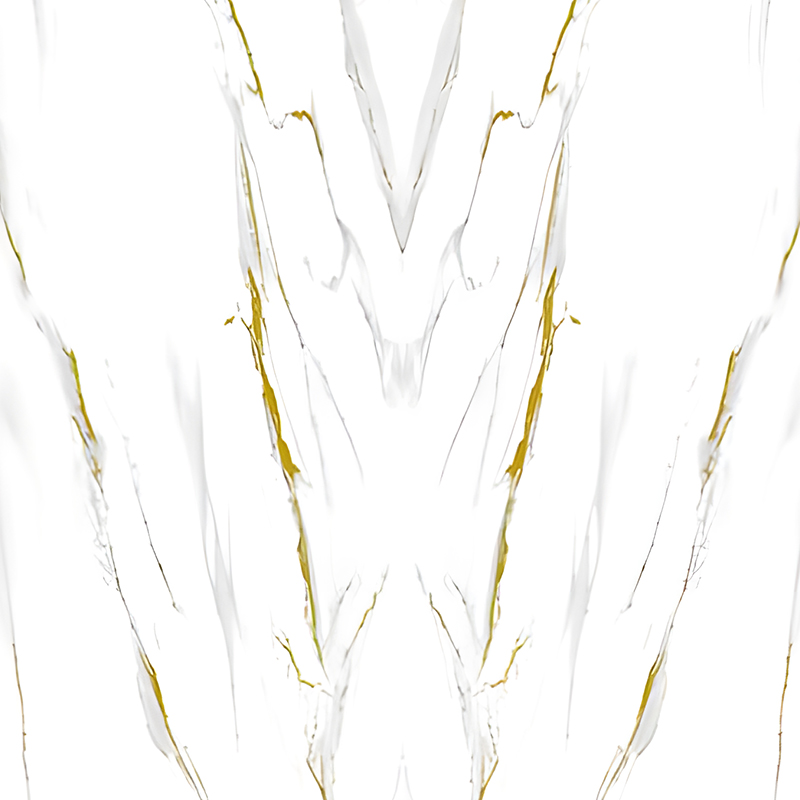
3D transfer films for furniture and cabinet color changes are a practical example of this balance: the film needs a strong bond to the flat surface but must also stretch and follow the contour of edges and corners without lifting.
3D transfer film for furniture and cabinet color change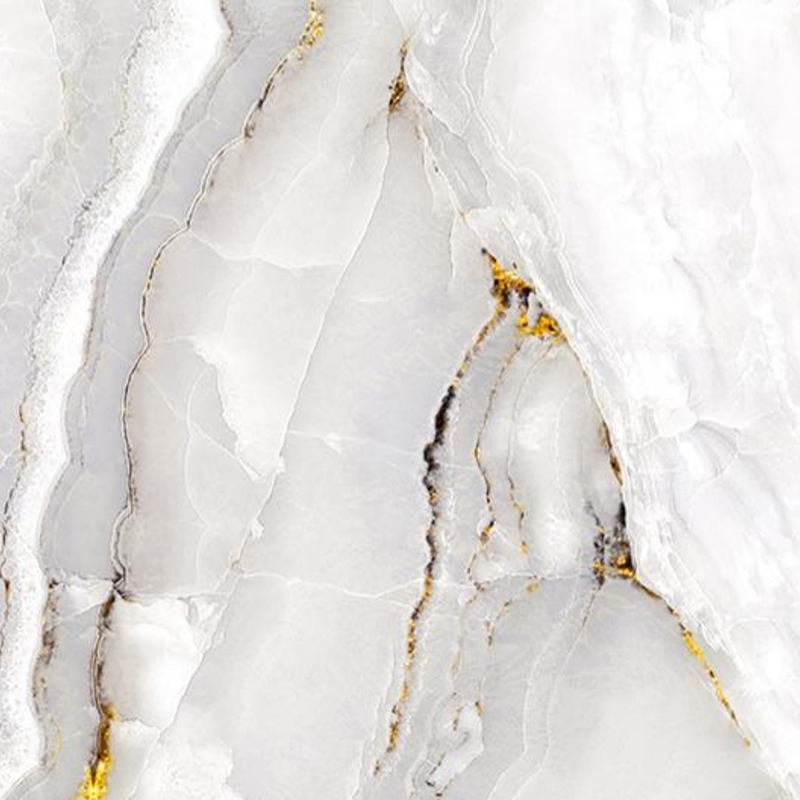 3D Transfer Film for Furniture and Cabinet Color ChangeThis transfer film suits varied substrates like PVC, wood veneer, and UV marble, offering tailored tack and open time for reliable bonding and contouring on edges and corners.View Product →
Matching the Formula to Your Substrate and Transfer Process
Different substrates present different wetting and thermal behaviour. A rigid PVC profile, a wood veneer panel, a UV marble sheet, and an aluminum edge profile all require a specific tack level and open time. When a transfer film is applied to a wood veneer panel, the adhesive needs enough open time to penetrate the surface texture. When it is applied to a UV marble sheet, the adhesive must bond to a smooth, non-porous surface.
Heat transfer films require fast solidification so the pattern does not shift after the hot stamping process. The gilded black silk living room background wall PET transfer film is an example of that approach: the adhesive layer sets quickly and holds the gilded detail in place.
gilded black silk living room background wall PET transfer film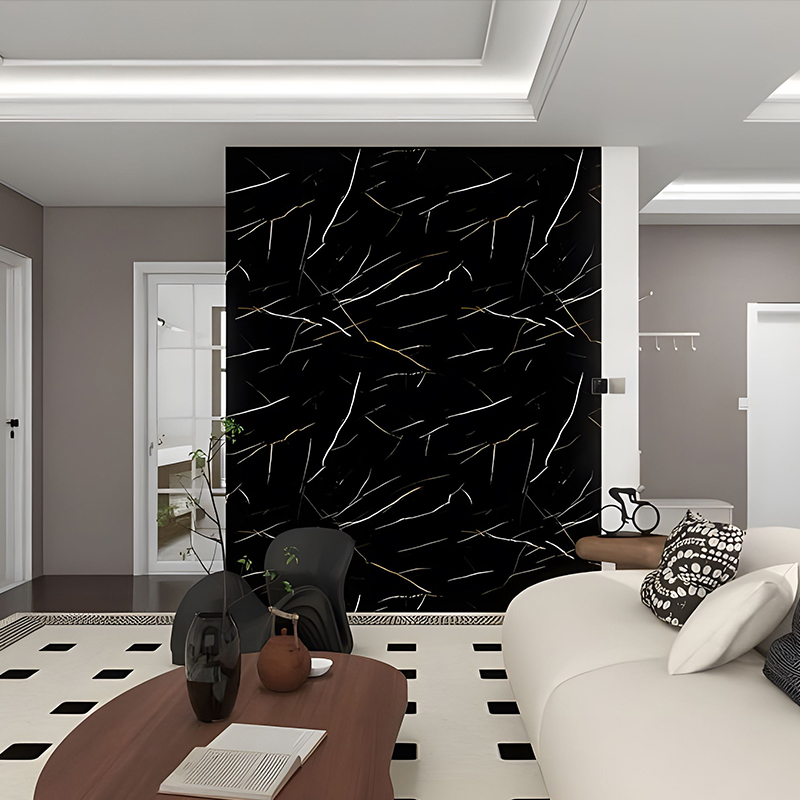 Gilded Black Silk PET Transfer Film for Living Room WallsIts fast-solidifying adhesive holds intricate gilded details in place during hot stamping, preventing pattern shift and ensuring a durable, artistic finish for background walls.View Product →
Cold peel transfer films work differently. The substrate is printed, the film is pressed, and the carrier is peeled away only after the adhesive has cooled. A waterproof kitchen cold transfer film with a lauren gold pattern is a good example: the formula must stay open long enough for the transfer to complete, then solidify cleanly so the pattern remains intact when the carrier is removed.
waterproof kitchen cold transfer film with lauren gold pattern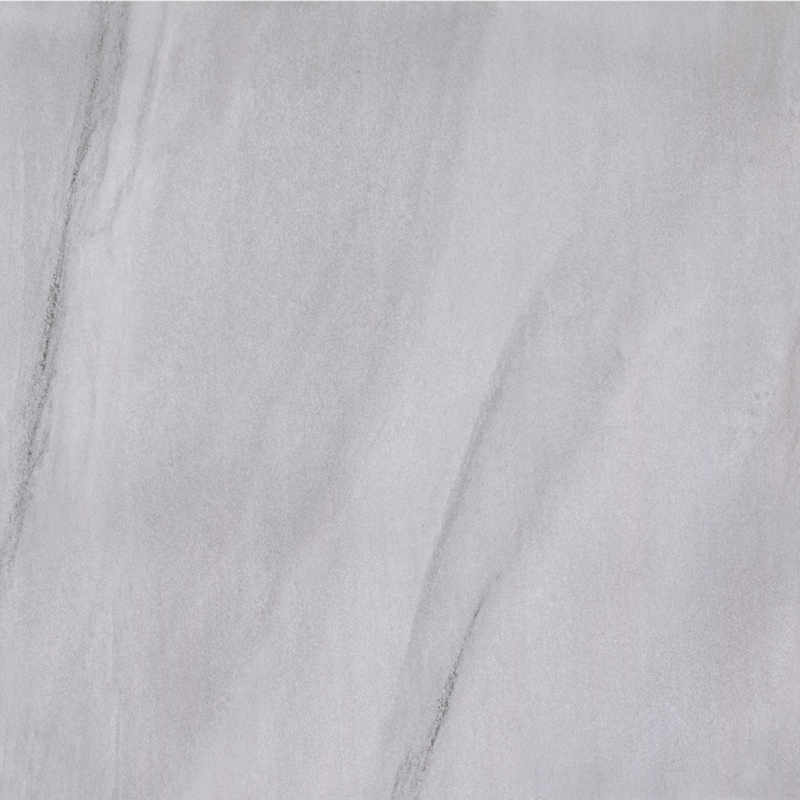 Lauren Gold Cold Transfer Film for Kitchen SurfacesThis waterproof, oil-proof film stays open long enough for complete transfer on kitchen surfaces, then sets cleanly for a flawless pattern when the carrier is peeled.View Product →
Common Hot Melt Adhesive Formulation Questions
Q1: What is the typical open time for a PET transfer film?
Open time usually ranges from 3 to 15 seconds, depending on the wax and tackifier ratio. A short open time suits high-speed lines, while a longer one gives operators more flexibility during manual application.
Q2: How can you tell if the wax content is too high?
If the wax content goes too far, the adhesive will show low tack. Edges may lift after the film cools, and the film surface can feel slippery or slightly powdery. The formulator should then lower the wax percentage and compensate with tackifier.
Q3: Can the same hot melt formulation work for both heat transfer and cold peel films?
No. Heat transfer films need faster solidification and higher heat resistance. Cold peel films rely on a longer open time so the carrier can be peeled away after transfer. These two requirements demand different formula structures.
The hot melt adhesive formulation is a quiet but decisive factor in decorative transfer films. It decides whether a film stays bonded after a year in a kitchen, whether a gilded pattern survives a commercial lobby, and whether a 3D texture remains firm after repeated cleaning. When you compare suppliers, compare their formulations, not just their colour books. A well-matched formula is cheaper than a warranty claim.