English
 Español
 عربى
عربى






Why do composite films sometimes undergo delamination?
Introduction to Composite Films
Composite Film refers to multilayered materials that combine two or more distinct layers to achieve properties superior to those of individual components. These films are widely utilized in decoration, packaging, and industrial applications due to their enhanced mechanical strength, thermal stability, and visual appeal. One prominent application is in composite film production for interior and exterior decoration, providing both aesthetic versatility and functional durability. Despite their advantages, composite film can sometimes suffer from delamination, a phenomenon where layers separate or peel apart under certain conditions. Understanding the causes of delamination is essential for manufacturers and end-users to ensure product performance and longevity.
Structural Composition and Its Role in Delamination
The structure of composite film typically involves a combination of substrate layers, adhesives, and surface coatings. Each layer serves a specific purpose: the base layer provides mechanical support, adhesive layers ensure bonding between surfaces, and surface coatings enhance appearance and functional properties such as resistance to UV light, chemicals, and abrasion. When these layers are not perfectly compatible or improperly processed, the integrity of the multilayered structure can be compromised.
Adhesion failure is a primary cause of delamination. Differences in chemical composition, thermal expansion, or surface energy between layers can lead to weak bonding. For example, if a surface layer contains materials with low adhesion properties while the adhesive is optimized for another type of substrate, delamination can occur under stress or environmental fluctuations. Moreover, surface treatment materials play a crucial role in enhancing bonding; improper treatment can significantly reduce adhesion, increasing the risk of layer separation.
Environmental Factors Contributing to Delamination
Environmental conditions are another critical factor affecting composite film performance. Moisture, temperature variations, UV exposure, and chemical exposure can weaken layer adhesion over time. For instance, prolonged exposure to high humidity can lead to moisture absorption in certain polymer layers, causing swelling and weakening the adhesive bond. Similarly, extreme temperature fluctuations can generate stress due to differences in thermal expansion coefficients, which may eventually result in delamination.
UV light is particularly impactful on decorative and protective films such as UV transfer films. Prolonged UV exposure can degrade both adhesive and polymer layers, reducing their cohesion. Manufacturers often incorporate stabilizers or UV-resistant coatings to mitigate these effects, yet insufficient or uneven application can still result in layer separation.
Processing and Manufacturing Issues
The manufacturing process itself can significantly influence the durability of composite film. Improper lamination techniques, inadequate curing of adhesives, or uneven coating thickness can lead to localized weak points. During high-speed production, minor deviations in temperature, pressure, or tension may produce defects invisible to the naked eye but detrimental under operational conditions.
Surface preparation is particularly important. For example, substrates that are dusty, oily, or chemically incompatible may prevent adhesives from fully bonding. Surface treatment materials such as primers or corona treatments are applied to enhance adhesion, yet any inconsistency in these treatments can create areas prone to delamination. Furthermore, post-processing steps such as cutting, folding, or bending must be carefully controlled to prevent introducing mechanical stress that could compromise layer integrity.
Mechanical Stress and Application-Related Factors
Once installed, composite film is often subjected to various mechanical stresses, including bending, stretching, and abrasion. In applications like interior decoration or packaging, improper handling or installation can exacerbate weaknesses in the laminated structure. For example, applying excessive force during wrapping or rolling may cause micro-cracks in the adhesive layer, eventually leading to visible delamination.
Additionally, repeated stress cycles, such as thermal expansion and contraction in exterior applications, can gradually degrade the adhesive interface. To minimize such risks, proper design and selection of both composite film materials and adhesives are essential, along with attention to application methods and environmental considerations.
Role of Material Compatibility
Material compatibility is a decisive factor in maintaining the integrity of composite film. Incompatible polymers, adhesives, or coatings may react differently under thermal, chemical, or mechanical stress. A mismatch in mechanical properties, such as elasticity or hardness, can create differential stress at interfaces, causing delamination. Manufacturers must carefully select substrates, adhesive formulations, and surface coatings to ensure uniform behavior across all layers. In addition, comprehensive quality control during production can detect potential issues before the final product reaches the market.
Preventive Measures to Minimize Delamination
- Enhanced Adhesive Selection: Choosing adhesives compatible with both substrate and coating materials ensures stronger interlayer bonding.
- Surface Treatment: Proper application of surface treatment materials such as primers, corona discharge, or chemical etching improves adhesion and reduces delamination risk.
- Environmental Protection: Incorporating UV stabilizers and moisture-resistant layers can protect films in harsh environments, especially for outdoor applications.
- Controlled Manufacturing: Maintaining precise temperature, pressure, and tension during lamination, as well as thorough inspection, ensures uniformity and layer integrity.
- Careful Handling: Minimizing excessive mechanical stress during installation or transport prevents introducing micro-defects that may trigger delamination.
Industry Example and Company Insight
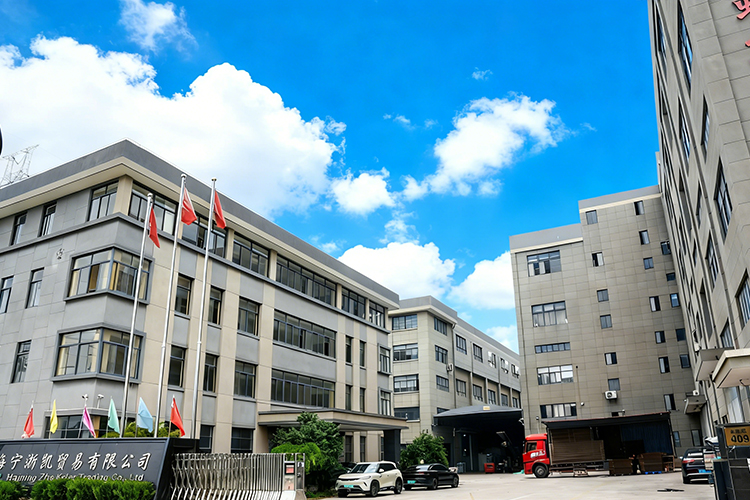
Haining Zhe Keler Trading Co., Ltd. (the subsidiary company of Haining Keler Decoration Materials Co., Ltd.) provides a real-world example of addressing delamination challenges. Located in the Greater Hangzhou Bay Area, the company integrates science, industry, and trade to produce high-quality composite film, thermal transfer films, cold transfer films, and UV transfer films. Through rigorous quality control, advanced testing facilities, and a skilled R&D team, the company ensures adhesion stability and performance under various environmental and mechanical conditions.
Their products are designed for multiple decorative styles and exported internationally, demonstrating that meticulous selection of materials, precise manufacturing, and comprehensive after-sales service can effectively minimize delamination risks. By combining innovation and scientific management, Haining Zhe Keler Trading Co., Ltd. exemplifies best practices in composite film production.
Comparative Analysis of Delamination Risk Factors
| Factor | Description | Impact on Delamination |
|---|---|---|
| Adhesive Compatibility | Mismatch between adhesive and substrate/coating layers | High risk due to weak bonding |
| Environmental Conditions | Humidity, temperature fluctuations, UV exposure | Moderate to high risk depending on exposure duration |
| Manufacturing Defects | Uneven coating, inadequate curing, surface contamination | High risk localized or widespread delamination |
| Mechanical Stress | Bending, stretching, abrasion during handling or use | Moderate risk accelerated over time |
| Surface Treatment | Improper or inconsistent application of surface treatment materials | High risk if adhesion enhancement fails |
Conclusion
Delamination in composite film is a multifactorial issue influenced by material compatibility, environmental exposure, mechanical stress, and manufacturing precision. By understanding these factors, manufacturers can implement strategies such as optimized adhesive selection, precise surface treatment, and controlled processing conditions to enhance film performance. Companies like Haining Zhe Keler Trading Co., Ltd. demonstrate that integrating research, quality control, and skilled craftsmanship is critical to minimizing delamination and achieving reliable, long-lasting products. In addition, continuous monitoring of environmental and operational factors during application further ensures the durability of composite film products.
FAQ
Q1: What is the primary cause of delamination in composite films?
The primary cause is weak adhesion between layers, which can result from material incompatibility, environmental stress, or improper surface treatment.
Q2: How does environmental exposure affect delamination?
Factors such as humidity, temperature fluctuations, and UV radiation can degrade adhesive bonds and polymer layers, leading to layer separation over time.
Q3: Can surface treatment prevent delamination?
Yes, the proper use of surface treatment materials such as primers and corona treatments enhances adhesion and significantly reduces delamination risk.
Q4: How do manufacturers control delamination during production?
Manufacturers control delamination by maintaining precise temperature, pressure, and tension during lamination, using compatible materials, and performing thorough quality inspections.
Q5: Are there industry standards for minimizing delamination in composite films?
While specific standards vary by application, best practices include adhesion testing, surface treatment protocols, and environmental simulation testing to ensure long-term film stability.