English
 Español
 عربى


Imagine you have just wrapped your kitchen cabinets with a marble-pattern PET decorative film. Three months later, cooking oil and splashes have left greasy spots near the stove. You reach for the same spray cleaner you use on glass windows. Within a few wipes, the glossy finish starts to dull, and the edges begin to lift. This is the most common mistake people make with PET decorative film, and it is entirely avoidable.
PET decorative film is a functional surface, not a wallpaper. Builders and furniture manufacturers apply it through heat transfer or cold peel processes to create durable finishes on walls, cabinets, ceilings, countertops, and appliance panels. It resists moisture and stains, but its decorative layer needs proper care to keep looking new.
Why Cleaning PET Decorative Film Needs a Careful Approach
The cleaning routine that works for tile or glass does not automatically work for PET decorative film. The printed layer sits on top of a PET base, and the top coating gives the film its color, gloss, texture, and stain resistance. Any cleaner that attacks this top layer will permanently degrade the film.
Here is the key point: PET decorative film is robust but not indestructible. It handles water, mild soap, and occasional exposure to common household stains. It does not handle ammonia-based glass cleaners, acetone, or abrasive scouring pads. Once the top coating is stripped, the film loses its gloss and becomes more susceptible to fingerprints, stains, and wear.
Key takeaway: For routine cleaning, mild dish soap and a soft microfiber cloth are all you need. Reserve stronger solutions for specific stains and test them on a hidden area first.
What to Know Before You Clean
Before you clean, check the manufacturer's product description. Many films are labeled washable, easy-clean, or scratch-resistant. These features are achieved through additional coating layers, such as a UV-cured top coat, that improve the film's tolerance to routine wiping. Understanding whether your film uses a single-sided or double-sided coating can help you select the right cleaning approach.
For cleaning tools, use microfiber cloths. They pick up particles and absorb water without scratching. A soft-bristle brush helps in grooves and corner seams. A plastic scraper removes dried residue without gouging the surface. Keep a dedicated bucket for film cleaning and label it clearly to avoid mixing with stronger chemicals.
For cleaning solutions, mild dish soap is the safest first choice. One or two drops of liquid dish soap in a cup of warm water will handle almost any routine task. For hard water spots, dilute white vinegar with water at a ratio of one part vinegar to three parts water. Always spritz a small amount on a hidden area first and wait five minutes to check for discoloration before applying it to the visible surface.
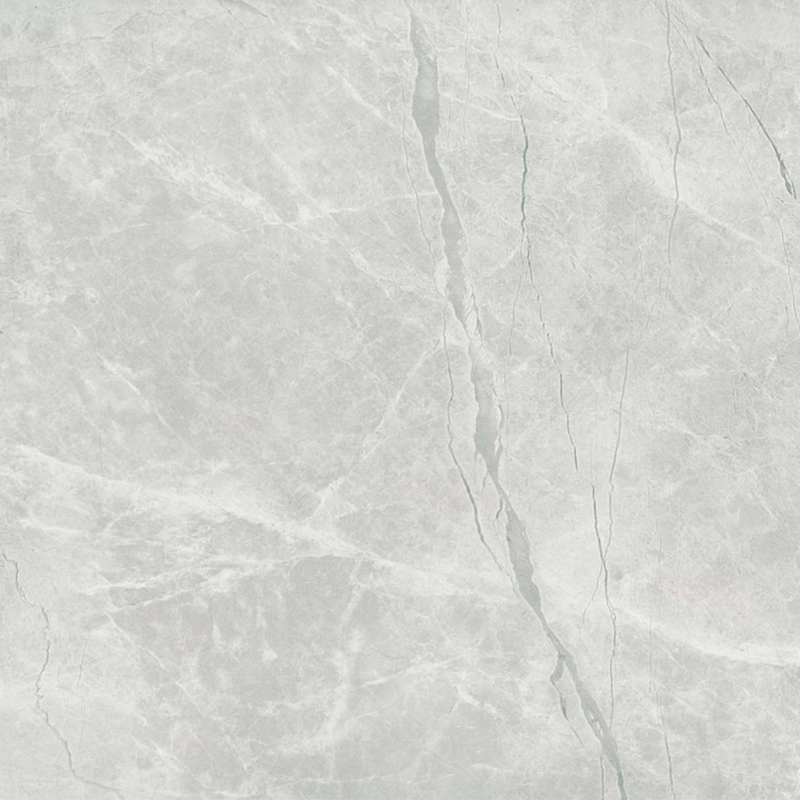 Washable Flexible PET Cold Transfer Film for Wall DecorationThis self-adhesive film is water, oil, and moisture resistant, making it ideal for kitchens and bathrooms. Its washable and flexible properties simplify cleaning and allow easy application to various surfaces.View Product →
Some PET cold transfer films are manufactured with washable, flexible properties. If your product is labeled as washable, routine cleaning becomes substantially more forgiving.
Step-by-Step: How to Clean PET Decorative Film Safely
The following sequence works for walls, cabinets, ceilings, and any flat surface covered with PET decorative film.
- Dust the surface first. Use a dry microfiber cloth, a feather duster, or an extension duster. Dust particles act as an abrasive when you wet the surface, so always remove them before cleaning.
- Prepare a mild soap solution. Mix a small amount of dish soap with lukewarm water. Avoid hot water, which can soften the adhesive behind the film and cause edge lifting or bubbling.
- Dampen a cloth and wring it out. The cloth should feel wet but should not drip. Excess moisture can seep behind the film, attack the adhesive, and create visible delamination at the edges.
- Wipe with light pressure. Use long, even strokes from top to bottom. Let the cleaning solution sit for 30 seconds on stubborn stains, then wipe again. Do not scrub hard.
- Rinse with a second cloth. Wipe the surface with a clean cloth dampened with plain water. This step is critical because dried soap residue attracts dust and creates streaks.
- Dry thoroughly. Use a dry microfiber cloth to remove remaining moisture. For vertical surfaces, dry in an upward motion to avoid water trails.
Cleaning PET Decorative Film by Surface and Stain Type
| Location | Common Stain | Cleaning Method |
|---|---|---|
| Kitchen backsplash | Cooking oil and grease splatter | Warm water with degreasing dish soap; let it sit for two minutes, then wipe |
| Bathroom wall | Hard water spots and soap scum | Diluted white vinegar (1:3 with water); wipe, then rinse with clean water |
| Ceiling | Dust, cobwebs, and pollen | Extending duster with a microfiber head; use gentle circular motions |
| Cabinet door | Fingerprints and hand smudges | Damp microfiber cloth with plain water; dry immediately |
| Living room wall | Crayon marks and scuffs | Soft foam eraser with a few drops of soap; rub lightly and rinse |
| Countertop edge | Dried food or adhesive residue | Plastic scraper at a low angle; wipe with soapy water afterward |
For ceilings, choosing a film with an easy-clean coating makes a significant difference. When dust accumulates on a horizontal overhead surface, the coating prevents the dust from adhering deeply, allowing a single wipe to restore the original finish.
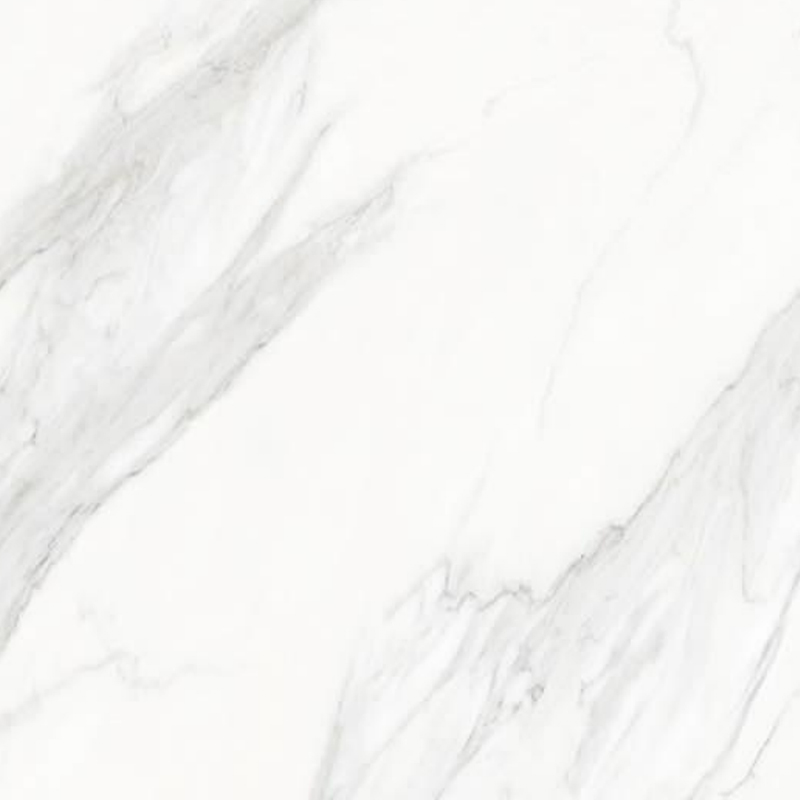 Easy-Clean Ceiling Decorative PET 3D Transfer FilmDesigned for ceilings, this PET film features a smooth surface and stain resistance. Dust and grease can be wiped away easily, reducing cleaning frequency and adding a modern 3D texture.View Product →
Common Mistakes That Damage PET Decorative Film
Many cleaning problems with PET decorative film are caused by well-intentioned but harmful actions. Here are the most common ones:
- Abrasive scouring pads, steel wool, or rough sponges. These scratch the surface finish and expose the printed layer to water and dirt.
- Ammonia-based glass and multi-surface cleaners. Ammonia can react with the coating and cause yellowing, especially on white and light-colored films.
- Alcohol-based cleaning wipes. Excessive isopropyl alcohol can cloud matte films and strip gloss from high-gloss films.
- Acetone, nail polish remover, and lacquer thinner. These dissolve the adhesive and the decorative layer entirely.
- Steam cleaners and pressure washers. High heat and pressure lift the film edge and drive moisture underneath the adhesive.
- Dry scrubbing on a dusty surface. Moving a cloth without moisture over dust creates micro-scratches that show up under lighting.
Long-Term Care Tips for PET Decorative Film
Proper long-term care is mostly about routine and timing. Dust the film at least once a week with a dry microfiber cloth. In kitchens, wipe the area near the stove immediately after cooking. Fresh oil wipes away easily, while hardened grease requires more effort and can leave an invisible residue that attracts further dust.
Deal with stains when they appear. A coffee splatter or a colored beverage dropped on a white film can penetrate the printing layer if left for several hours. A damp cloth with a small amount of dish soap will usually remove it if addressed immediately.
Periodic deep cleaning can extend the film's life. Every couple of months, go over the entire surface with a lightly dampened cloth and then dry it. Pay special attention to areas around doors, windows, and appliances, where dirt accumulates faster.
If you are planning a new wall or cabinet design, consider combining PET decorative film with easy-clean UV-coated panels for surfaces that receive high wear, like TV walls, kitchen backsplashes, or bathroom splash guards. These panels are non-porous and wipe clean in a single pass, reducing overall maintenance effort.
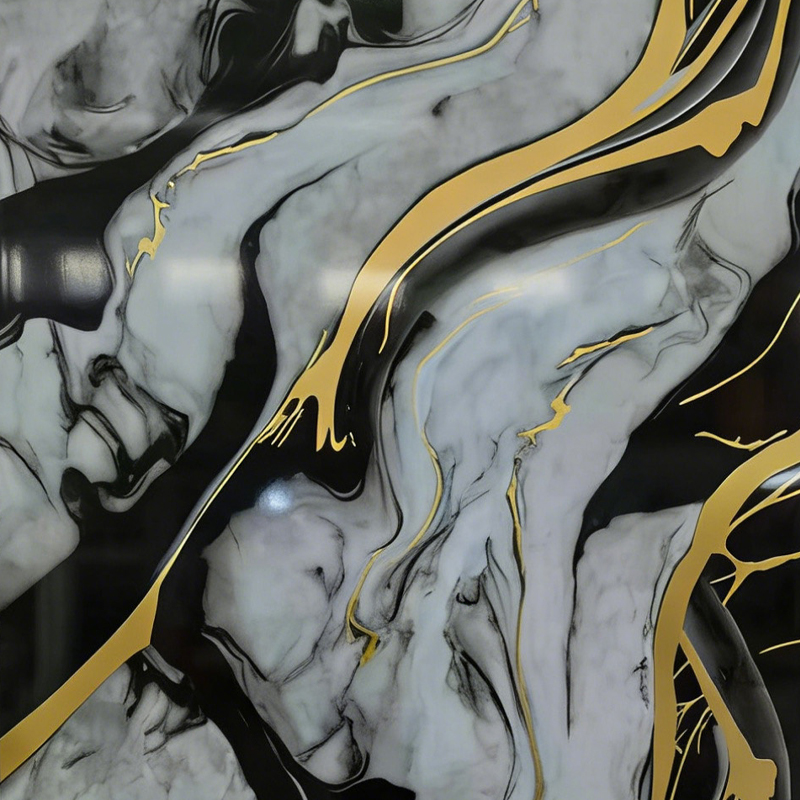 Easy-Clean UV Coated Marble Panel for TV WallMade from stone powder and PVC, this UV-coated panel offers a stain-resistant marble finish. It is durable, eco-friendly, and easy to install, making it a practical choice for living room TV walls.View Product →
Frequently Asked Questions
Q1: Can I use a steam cleaner on PET decorative film?
No. Steam cleaners generate heat and moisture that can weaken the adhesive behind the film. The heat may also cause the film to wrinkle or lift at the edges. Stick to cool or lukewarm water with mild soap.
Q2: Does white vinegar damage PET decorative film?
Diluted white vinegar is generally safe when used in low concentration and rinsed off quickly. It is particularly useful for hard water spots. Avoid leaving vinegar on the surface for more than a few minutes, and always follow with a clean water wipe.
Q3: How often should I wash PET decorative film?
Dust weekly. Wet clean only when stains appear or the surface starts to feel sticky. Over-washing can accelerate wear on the top coating, so let visible dirt guide your schedule.
Q4: Is a microfiber cloth enough for everyday cleaning?
Yes. In most cases, a slightly damp microfiber cloth is all you need for fingerprints, light smudge marks, and dust. Save soap solutions and vinegar for stubborn stains.
Q5: How long does PET decorative film last with proper care?
With regular dusting and gentle stain removal, PET decorative film can retain its appearance for several years in indoor settings. Avoid harsh chemicals, and it will stay glossy and clean for its entire service life.